By Suzan Edeh, Bauchi
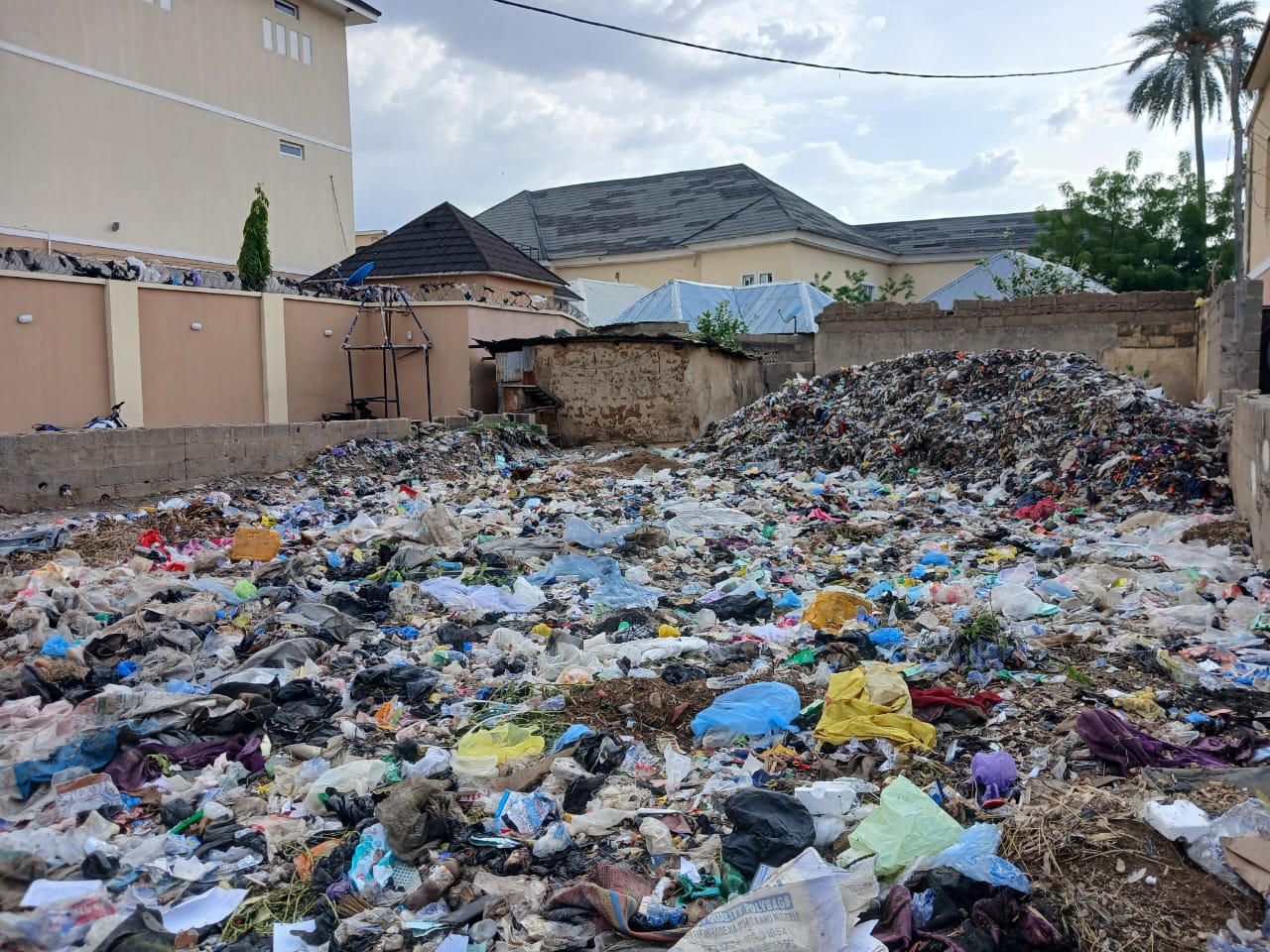
Bauchi State stakeholders, including government officials and partners, have validated the 2026 reviewed state Water, Sanitation, and Hygiene (WASH) policy to improve sanitation, increase access to clean water, and end open defecation.
Our reporter reports that the Bauchi State WASH Policy (2026-2030) provides a comprehensive strategy for addressing the State’s water, sanitation and hygiene challenges white laying the foundation for sustainable service delivery.
By strengthening institutions, expanding infrastructure, promoting behavioural change and enhancing climate resilience, the Policy aims to ensure that all residents of Bauchi State can access safe, reliable and inclusive WASH services.
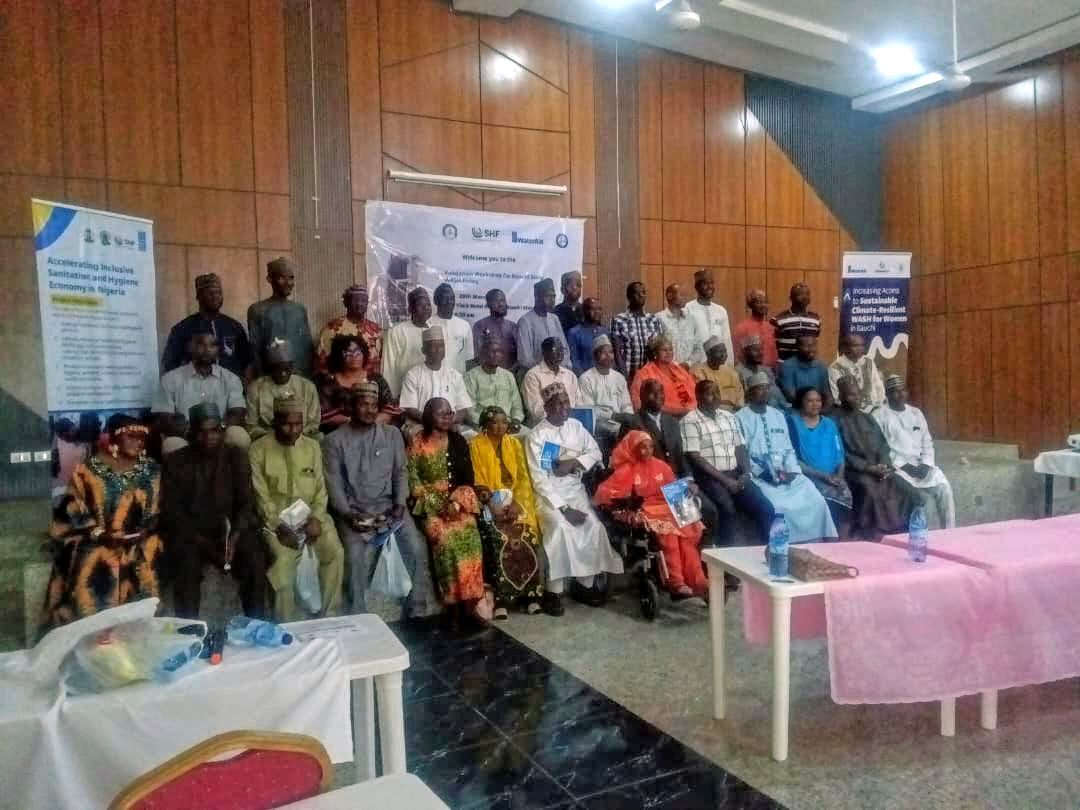
Speaking in a welcome address during a one day State Reviewed WASH Policy Stakeholder Validation workshop organised by WaterAid and partners that held at the Yamir Hotel and Suites in Bauchi, the State Commissioner of Water Resources, Hon Nuhu Zaki said that the validation workshop was timely considering the fact that many residents of the state are still battling with the challenge of reliable water sources with many households depending on improving sanitation facilities.
Represented by the Permanent Secretary, Ministry of Water Resources, Dr Samalia Tella, the commissioner noted that the various inputs from the stakeholders at the workshop will help fast track the validation process of the policy and its full implementation.
He reiterated the commitment of the state government towards ensuring the approval and speedy implementation of the WASH Policy.
Speaking on the objectives of the workshop, the WaterAid State Team lead, Mr Mashat Mallo said that the objective of the workshop was to present to the stakeholders the final reviewed draft WASH policy and officially validate the Policy, adding that the stakeholders will also come up with an implementation strategy before the document will be forwarded for approval, publication and implementation.
He said that one of the goals of the SDGs is to achieve universal safely managed sanitation and Hygiene for all and end open defecation before 2030, stressing that the validation of the WASH draft Reviewed policy will chart the way forward towards achieving the SDG goals.
In his Presentation of the final draft policy document, the Lead Policy Consultant, Professor Johnson Otun said that policy is guided by the vision of “A Bauchi State where residents have sustainable access to water supply, sanitation and hygiene services that are equitable, reliable, and climate resilient, and contribute to improved health, dignity and socioeconomic,”.
According to him, successful implementation of the Bauchi State WASH Policy will require coordinated action among multiple stakeholders, including state ministries, local government authorities, utilities, regulatory agencies, community institutions and development partners.
“The Policy establishes clear institutional responsibilities for sector leadership, service delivery, regulation and monitoring.Local government authorities will play a critical role in implementing rural and community-based WASH programmes”.
“State-level institutions will provide strategic leadership, policy oversight and technical support. Partnerships with development partners, civil society organisations and the private sector will also be essential for mobilizing resources” he said.