By Emmanuel Antswen
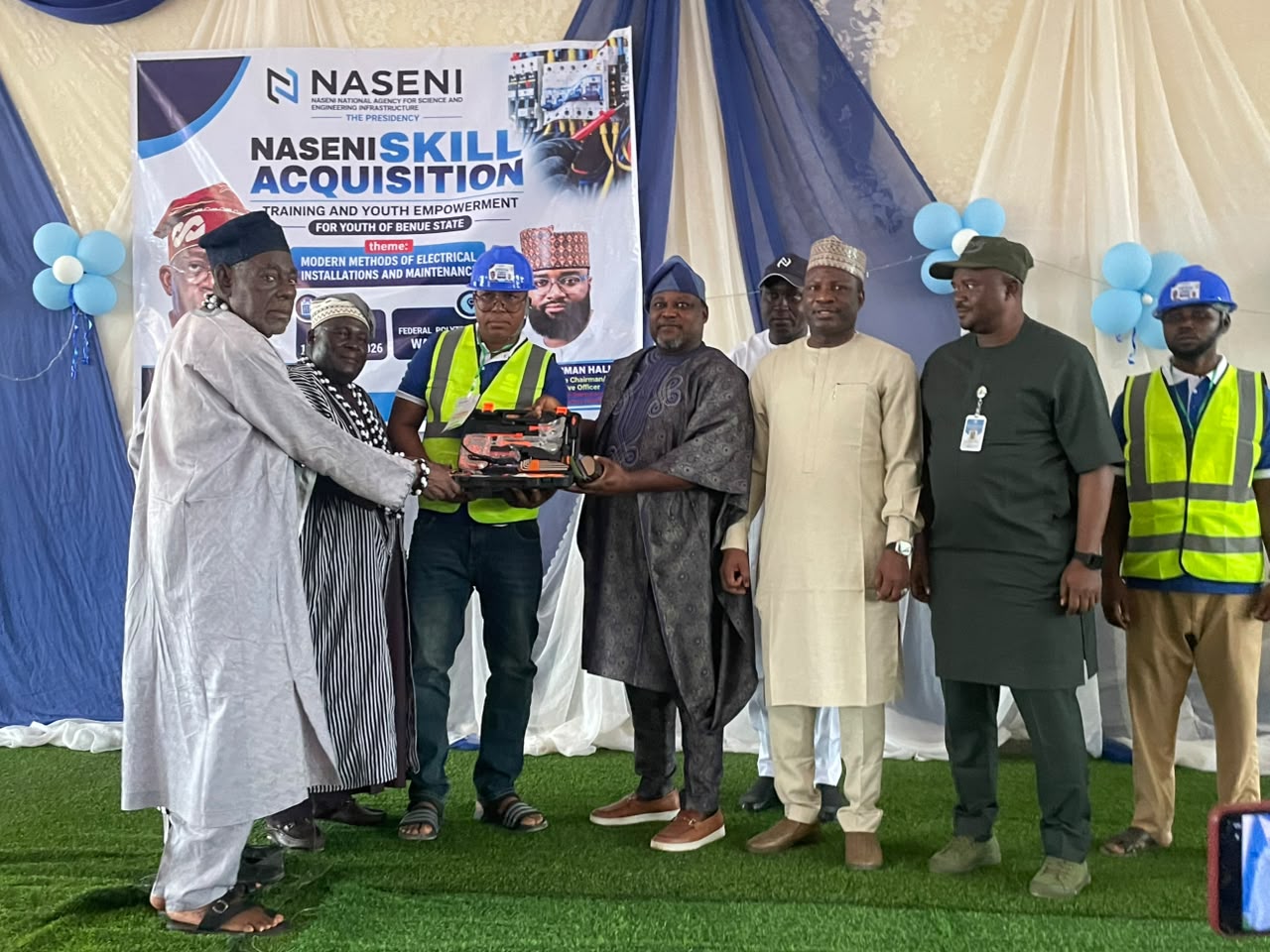
The National Agency for Science and Engineering Infrastructure (NASENI) has trained 220 youths and women on solar power installation and other entrepreneurial and technical skills in Benue.
The News Agency of Nigeria (NAN), reports that the five-day training held at the Federal Polytechnic, Wannune, Tarka Local Government Area of the state.
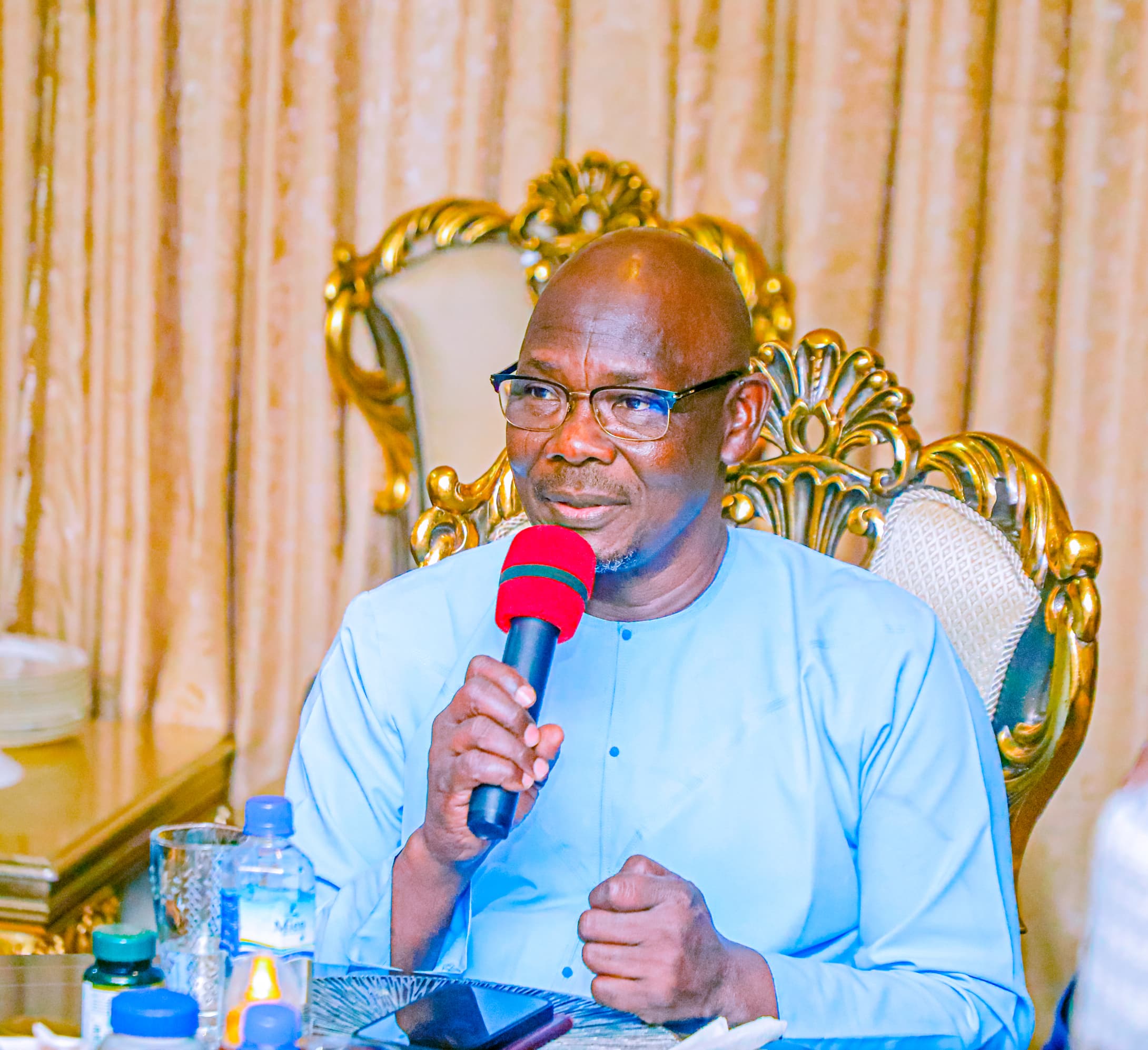
Speaking at the closing on Saturday, Sen. George Akume, the Secretary to the Government of the Federation (SGF), said that the initiative was part of President Bola Tinubu’s Renewed Hope Agenda.
Akume said the Federal Government was committed to empowering youths and women while developing the capacity of Nigerians to produce locally and contribute to national development.
Represented by his Technical Adviser, Prof. Babatunde Bolaji, Akume said that the intervention aimed at equipping beneficiaries with practical skills that would translate into businesses, employment opportunities and improved livelihoods.
“President Bola Tinubu has promised to transform Nigeria. He has set in place reforms under the Renewed Hope Agenda.
“One of these reforms is the empowerment of youths and women.
“Today, 220 beneficiaries, comprising 100 youths and 120 women, have received training in various skills,” he said.
Akume further said the trainees for solar installation were equipped in electrical skills, particularly the coupling of solar power systems.
He added that the women were trained in the production of soap and other domestic items.
The SGF, who advised the beneficiaries to put the skills and starter packs to good use, urged them not to sell the items given to them.
“These beneficiaries are going home with starter packs. The starter packs will enable them to begin small businesses that will eventually grow into mega ones.
“You are looking at future entrepreneurs; they will employ other people to work for them. They will also train other people,” he said.
Earlier, Mr Khalil Halilu, the Executive Vice-Chairman and Chief Executive Officer of NASENI described the exercise as timely.

Represented by Dr Rasheed Agava, the Director of Engineering Infrastructure of the agency, Halilu explained that the programme was implemented under its Sustainable Empowerment Programme (NSEP) designed to take practical skills, technology and economic opportunities directly to communities.
“This intervention represents the emergence of 220 Nigerians equipped with practical skills capable of becoming livelihoods, businesses and sources of economic independence.
“Our goal is therefore not to train people simply for the sake of recording numbers. NSEP is about outcomes.
“We want to see beneficiaries earning incomes, small businesses emerging, beneficiaries becoming employers and skills transferred to other members of their communities,” he said.
Halilu urged the beneficiaries to put the skills acquired to good use, stressing that NASENI would assess the programme based on enterprises established, income generated, jobs created and communities impacted.
One of the beneficiaries, Mr Terfa Kuma, thanked NASENI and the federal government for the opportunity to learn a new skill.
Kuma, a person with disability, said that his physical challenge would not prevent him from deploying the skills acquired to good use.
Another beneficiary, Ms Sewuese Iortyer, promised to use the skills and starter pack to empower herself, family and other members of her community.(NAN)