By Suzan Edeh, Bauchi
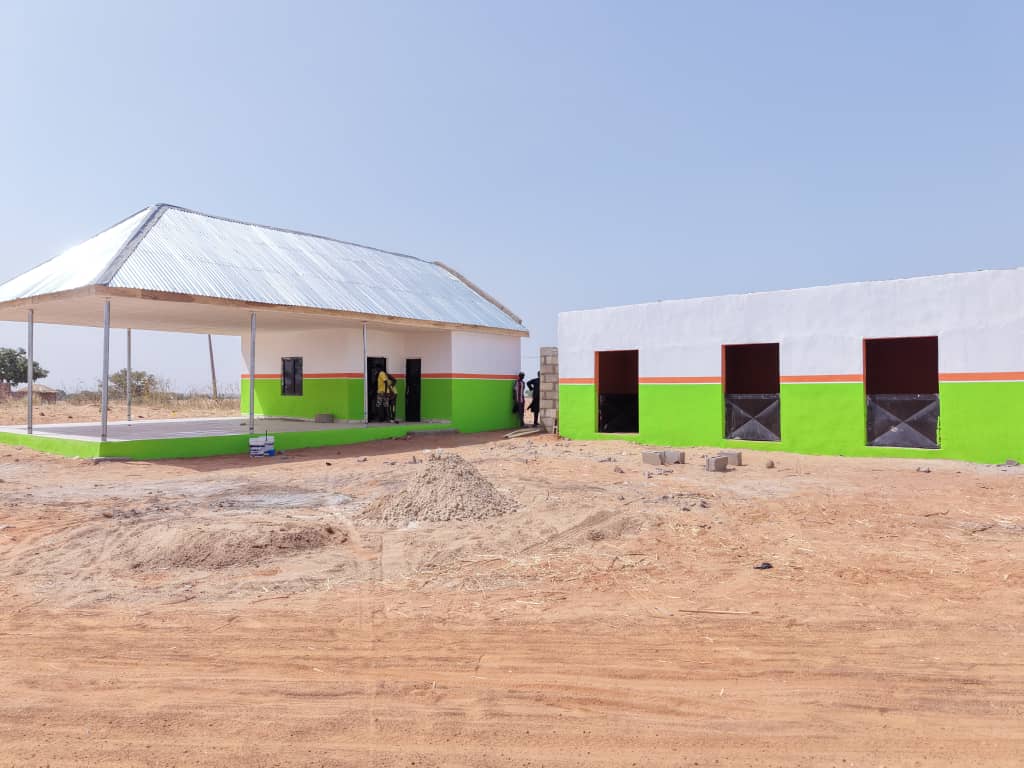
The Foundation for Sustainable Smallholder Solutions (FSSS) has launched 11 newly established “Farmers Hubs” across the Bauchi North Senatorial District.
The initiative aims to boost agricultural productivity, combat rural poverty, and drive youth employment through climate-resilient farming practices.
The modern facilities were developed under the ESTRRA project (Empowerment of Smallholders to Thrive and Build Climate Resilience through Regenerative Agriculture). The initiative is backed by a ₦4 billion funding partnership with the Heineken Africa Foundation (HAF).
During the commissioning of a flagship hub in the Dogon Jeji community of Jama’are Local Government Area, FSSS Executive Director Dr. Isaiah Gabriel described the project as a critical investment in Nigeria’s food systems.
According to Dr. Gabriel, the hubs will operate as one-stop agricultural centres providing local farmers with High-quality seeds and certified inputs, Modern mechanisation and tractor support, Professional extension services, produce aggregation and direct market access.


Dr. Gabriel urged farmers to take ownership of the facilities and utilise them effectively to ensure sustainability and long-term impact, reaffirming FSSS’ commitment to promoting inclusive and market-driven agricultural systems that improve the lives of smallholder farmers across Nigeria.
The Emir of Jama’are, Alhaji Nuhu Ahmad Wabi who officially launched the facility, expressed gratitude to FSSS and HAF, urging the partners to expand the project to spark wider community development.
He strongly advised residents to maintain the infrastructure to ensure long-term productivity.
Alhaji Yau Mohammed, Programme Manager of the Bauchi State Agricultural Development Programme (BSADP), commended the project’s timing, noting that it aligns with state goals to modernise local farming.
Local farmers expressed strong optimism about the hubs’ integrated features. Alhaji Shehu Yakubu, a local farming leader (Sarkin Gona), revealed that the Dogon Jeji hub features built-in rice milling machinery and veterinary clinics for livestock.”Our people are rice farmers.
“It will now be much easier to bring rice here for processing and market access,” Yakubu said, while advocating for the project’s expansion into Bauchi Central and Bauchi South districts.Focus on Management and Quality Control,
Alhaji Shafiyu Haladu of the Women Farmers Advancement Network (WOOFAN) predicted that the hubs would evolve into bustling daily markets during the rainy season.
He emphasized that the hubs will guarantee high-quality crop standards for external buyers.Alhaji Yusuf Bichi, head of the hub managers, highlighted that the facilities solve a long-standing crisis of counterfeit agricultural supplies.
“Our major challenge has been access to genuine pesticides and quality fertilisers.With these 11 hubs, we are now guaranteed that any farm inputs we buy are genuine and of the highest quality.” Bichi stated.
He concluded with a strong call to his fellow managers to uphold strict transparency and financial integrity to maintain the trust of corporate suppliers and community stakeholders.