By Suzan Edeh, Bauchi
A massive grassroots network of over 6,000 volunteers is successfully driving down child malnutrition rates across Bauchi State, closing critical healthcare gaps by taking medical sensitization directly to community doorsteps.
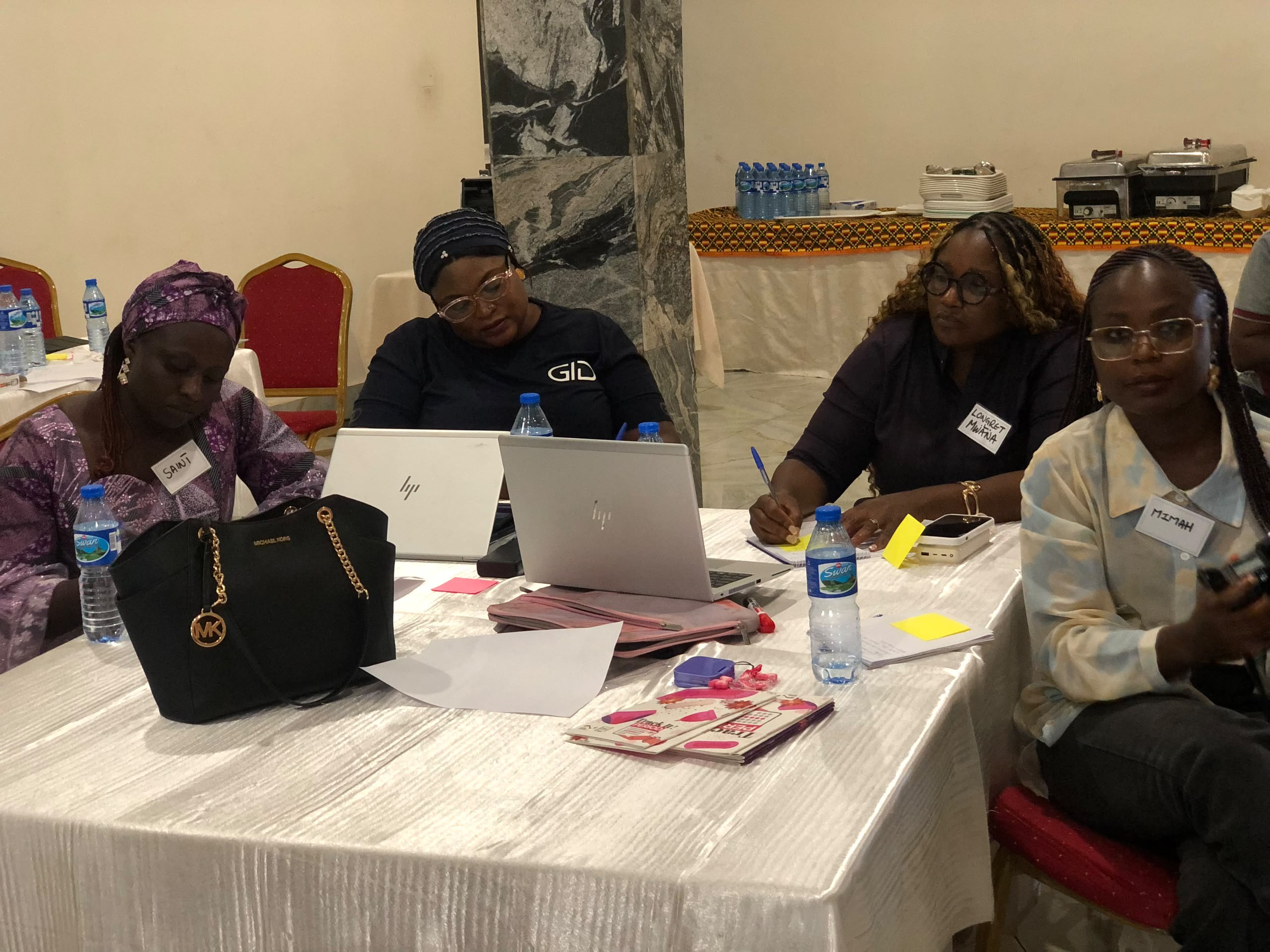
Funded by the United Nations Children’s Fund (UNICEF) and funded by the United States Government, the “Mama2Mama” and “Fathers for Good Health” initiatives train local residents to detect early signs of severe acute malnutrition and advocate for safe healthcare choices.
House-by-House Surveillance
In the Jama’are Local Government Area (LGA), volunteers operate without stethoscopes or medical tools, relying instead on education and community trust.
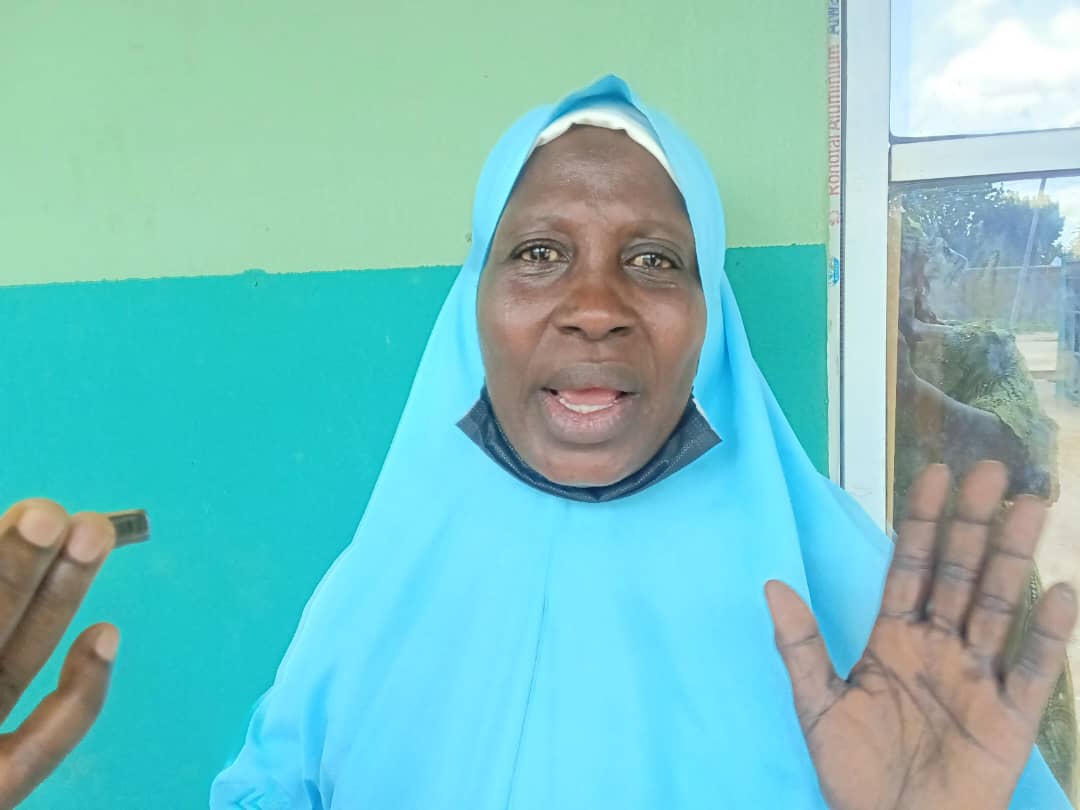
“We received training on how to move around our community from house to house to sensitise our fellow women and to help them identify signs of malnutrition in children for proper action,” Adama Dauda Abdullahi, a 50-year-old Mama2Mama volunteer said.
The strategy focuses heavily on early identification before conditions become life-threatening.
Fellow volunteer Kande Dokaji noted that mothers are taught to look for poor growth, failure to gain height or weight, loss of appetite, and unhealthy skin changes.
Once identified, undernourished children are referred to local health centers to receive Ready-to-Use Therapeutic Food (RUTF).
“The level of acceptance by the community is overwhelming. As a result, cases of malnutrition have drastically reduced.”Dokaji said.
Engaging Fathers in Child Nutrition
The intervention is also breaking gender barriers in healthcare engagement through the Fathers-for-Good-Health initiative. Male volunteers are actively educating fathers on proper dietary habits and disease prevention.
“During the training, we were taught about the different types of food that children need”.
“We also learned about breastfeeding and what happens when a child reaches six months of age. At that point, complementary foods should be introduced.said Yusuf Hafizu, a volunteer father from Jama’are.
Hafizu noted that the training has enabled fathers to step up, protect children from illnesses like diarrhoea, and advocate for proper nutrition within their households.
Tackling the Facility Delivery Gap
Despite the success of the volunteer network in changing home-care behaviors, Bauchi State continues to face a steep institutional hurdle. While 70 to 80 per cent of expectant mothers attend antenatal care, only 35 to 40 per cent ultimately deliver in health facilities.
Dr. Rilwanu Muhammad, Executive Chairman of the Bauchi State Primary Health Care Development Board, warned that home deliveries drastically increase risks associated with poor infant feeding practices, infections, and early childhood malnutrition.
According to him, maintaining adequate supplies remains critical to sustaining the intervention.
He said that the state has distributed about 480,000 cartons of RUTF and approved N500 million for the fresh procurement of RUTF and Multiple Micronutrient Supplements, with UNICEF expected to provide another N500 million as a matching grant.
“We are waiting for the release of the money so that UNICEF will also pay another N500 million as matching grant to procure these items. That is why we are trying to close the gap,” he said, adding that SQ-LNS is being distributed gradually to ensure that it reaches “the right child in the right ward.”he said
To counter this, UNICEF and the Bauchi State government are intensely focusing on the first 1,000 days of life—the critical window from conception to a child’s second birthday.
According to Philomena Irene, a Nutrition Specialist with the UNICEF Bauchi Field Office, the financial grant provided by the U.S. Government is intentionally structured around this window to prevent malnutrition at the community level before it ever requires severe medical intervention.
T”he U.S. Government support to Bauchi State through the grant has enabled us to provide support to over 40,000 children aged 6 to 23 months with Small Quantity Lipid-based Nutrient Supplements, SQ-LNS, for the prevention of malnutrition”.
“The intervention, however, goes beyond nutritional supplements, as more than 6,000 Mama2Mama and Fathers for Good Health support group members have been trained to deliver nutrition messages focused on the first 1,000 days of life, while more than 50 health workers have received training on the management of acute malnutrition at health-facility level” She said.