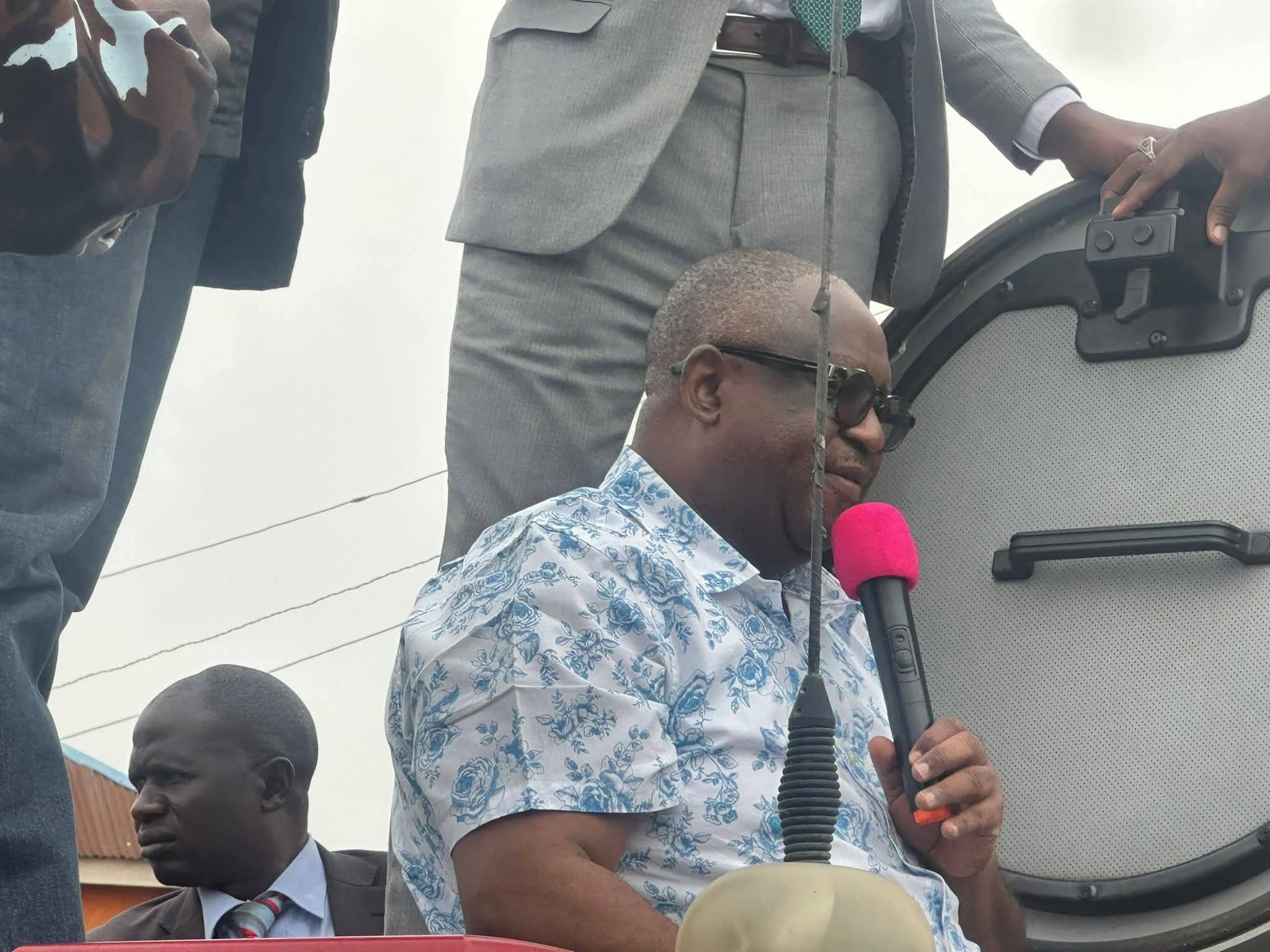
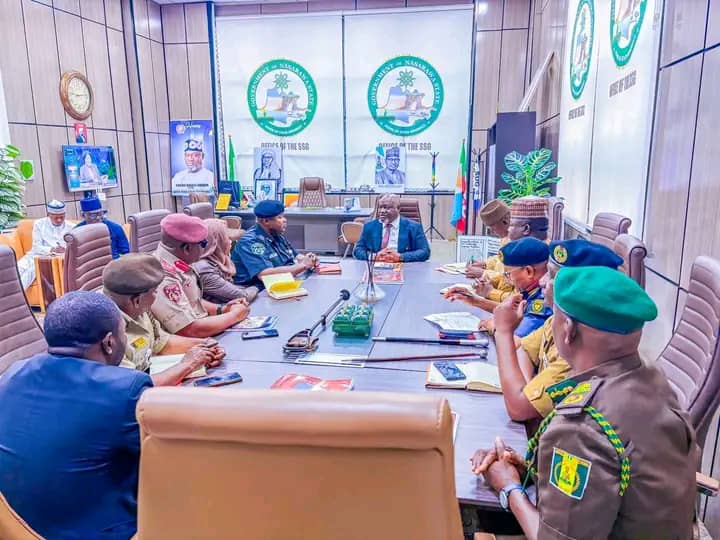
The newly deployed Commissioner of Police in Plateau State, CP Faniyan Ayodeji, has pledged to make policing in the state a positive model for other commands, with emphasis on professionalism, accountability, respect for human rights and community partnership.
CP Ayodeji, who assumed duty on Tuesday, August 11, 2026, made the commitment on Thursday while addressing journalists at the Police Officers’ Mess in Jos during his maiden press conference as the 47th Commissioner of Police in the state.
He expressed gratitude to the Inspector General of Police, IGP Olatunji Rilwan Disu, for entrusting him with the leadership of the Plateau State Command, while also appreciating the state government, traditional rulers, religious leaders and residents for the warm reception accorded him.
The new police commissioner said although he appreciated the achievements of his predecessors, there was still much to be done to improve public confidence in the police and make the force “the darling of the people.”
He said his administration would focus on delivering quality, efficient, transparent and timely police services, anchored on passion, empathy, integrity, fairness and humanity.
According to him, the Command would discourage brutality, unnecessary aggression and other forms of misconduct capable of creating friction between the police and members of the public.
He also promised to adopt a proactive approach to crime prevention, particularly in protecting lives and property from terrorist elements, while ensuring that perpetrators of criminal acts are brought to justice.
Ayodeji said his policing philosophy would be guided by the vision of the Inspector General of Police to build a professional, service-driven, rule-of-law-compliant and people-friendly police force.
He identified human rights-centred policing, zero tolerance for corruption and unprofessional conduct, synergy with other security agencies, community policing, intelligence-led and technology-driven policing, personnel welfare and strengthened oversight as key priorities of his administration.
On corruption, the commissioner declared that there would be “zero tolerance” for corrupt practices and unprofessional conduct within the Command.
He said anti-vice squads would be restructured and reinvigorated to sustain the fight against corruption, while public complaint channels would be widely publicised to enable citizens to report misconduct by police personnel.
The CP also stressed the importance of collaboration among security agencies, saying there would be no room for rivalry, superiority or jealousy among agencies responsible for protecting lives and property.
He said he would promote regular professional engagements and intelligence sharing among security agencies to strengthen operational effectiveness and achieve a coordinated security response in the state.
On community policing, Ayodeji said Divisional Police Officers, Area Commanders and other officers would be expected to remain accessible to the people.
He listed traditional rulers, religious leaders, civil society organisations, NGOs, vigilantes and the media among stakeholders whose partnership would be strengthened under his administration.
The commissioner particularly described the media as a critical partner in combating fake news and misinformation, assuring journalists that the Command would operate an open-door policy and provide timely, accurate and factual information.
On technology, he said criminals were increasingly adopting sophisticated tools, including drones and explosives, and that the police could not afford to remain complacent.
He explained that technology-driven policing would enhance the capacity and efficiency of security operations while reducing personnel fatalities, collateral damage and operational time.
Ayodeji commended the IGP for strengthening Plateau Command with additional personnel, equipment and logistics, but appealed for further support to enable the Command confront its security challenges effectively.
The commissioner also placed emphasis on the welfare of police personnel, saying officers who are adequately cared for would have improved morale and deliver better services to the public.
He called on the people of Plateau State to provide timely and credible information to security agencies, stressing that security remained a collective responsibility.
The CP also warned against jungle justice, describing the practice of apprehending suspected criminals and subjecting them to torture, brutalisation or other inhuman treatment as a criminal act.
He said where jungle justice resulted in the death of a suspect, it could constitute culpable homicide, warning that perpetrators would face the full weight of the law under his watch.
He urged members of the public to hand over arrested suspects to the police or other appropriate security agencies for proper investigation and prosecution in accordance with due process.
“Say no to jungle justice,” the commissioner urged, calling on residents to cooperate with the police in the collective effort to sustain peace and security across Plateau State.
He expressed confidence that with the cooperation of residents and other stakeholders, the Command would work towards making Plateau State one of the safest states in Nigeria.