By Emmanuel Antswen
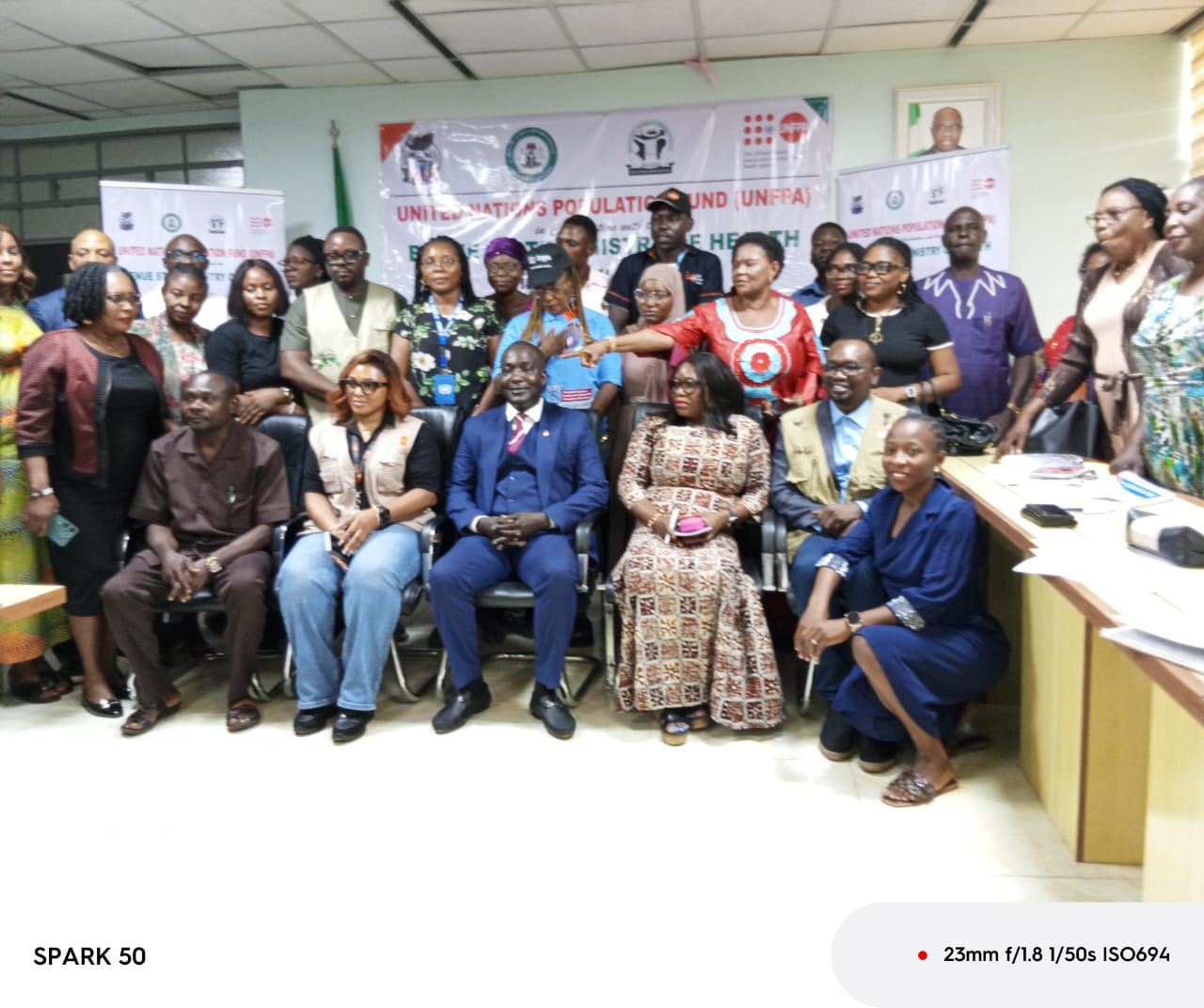
The United Nations Population Fund (UNFPA) and the Benue Ministry of Health and Human Services have commenced a five-day training of midwives on emergency reproductive health and gender-based violence.
The training, which began in Makurdi, is designed to strengthen tutors’ and frontline healthcare professionals’ capacity to provide life-saving sexual and reproductive health services.
The News Agency of Nigeria (NAN) reports that the five-day programme focuses on Integrated Sexual and Reproductive Health in Emergencies and Gender-Based Violence in Emergencies.
Declaring the training open, Commissioner for Health and Human Services Dr Paul Ogwuche said Gov. Hyacinth Alia was determined to strengthen the healthcare system in the state.
Ogwuche commended UNFPA and its partners for sponsoring the programme, adding that it is timely considering the humanitarian challenges confronting Benue.
“This training comes at a critical time humanitarian emergencies and displacement continue to challenge our healthcare system, particularly sexual and reproductive health and gender-based violence.”
“The knowledge and skills you acquire will enable you to respond more effectively to these challenges,” he said.
Ogwuche urged participants to actively engage in sessions, share experiences and apply acquired knowledge to improve service delivery in their institutions.

Earlier, UNFPA Humanitarian Programme Specialist Dr Danladi Idrisa said the workshop aligns with the organisation’s mandate to strengthen emergency sexual and reproductive health and GBV response.
He said recurring humanitarian crises in Benue had displaced over 600,000 people, mostly women and girls, increasing demand for skilled emergency healthcare workers.
“UNFPA’s mandate is to support sexual and reproductive health and gender-based violence response in humanitarian settings.”
“Our goal is to ensure newly trained midwives possess skills to respond effectively from their first day of practice,” he said.
He said UNFPA’s Regional Office sponsored the programme under the Dakar Midwives’ Pledge to strengthen emergency response capacity across West and Central Africa.
Idrisa said the training covers humanitarian coordination, GBV response, STI management, clinical management of rape, emergency obstetric care, logistics and adolescent healthcare services.
“We expect participants to leave with confidence, practical skills and technical knowledge to deliver quality sexual and reproductive health and gender-based violence services during emergencies,” he added.
Also speaking, the provost of the Midwives College of Nursing Sciences, Makurdi, Mrs Victoria Gusah, described gender-based violence as a major public health and social challenge.
Gusah said the training of trainers model would enable participants to transfer acquired knowledge and skills to healthcare workers, students and communities statewide.
She said rape, domestic violence, sexual exploitation, early and forced marriage had become more prevalent among internally displaced persons, homes and communities.
According to her, the training will improve participants’ competence, strengthen survivor support and promote safer families and communities.
The training is expected to produce trainers who will integrate emergency reproductive health and GBV response into nursing education, strengthening Benue’s emergency preparedness.
NAN reports that participants were drawn from colleges of nursing and midwifery, schools of nursing, teaching hospitals, general hospitals and other health institutions across Benue.
They are expected to cascade the knowledge acquired to students and healthcare workers, strengthening emergency healthcare services across the state. (NAN)