By Suzan Edeh, Bauchi
BAUCHI — Agricultural and environmental experts are sounding the alarm over the rapid degradation of land in Northern Nigeria, calling on all levels of government to strictly enforce anti-tree felling laws to prevent a total environmental collapse.
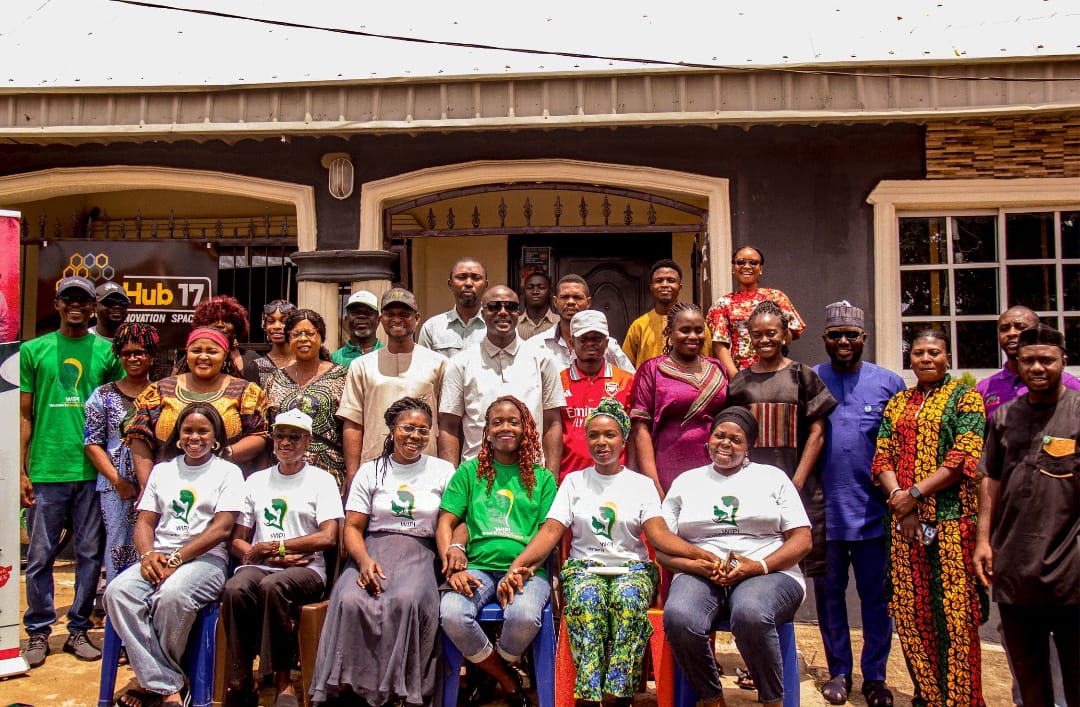
The call was made during a World Earth Day event hosted by the Foundation for Sustainable Smallholder Solutions (FSSS). Themed “Entrenching Resilience through Regenerative Agriculture,”
The forum highlighted the urgent need for a shift in land management to secure food for future generations.
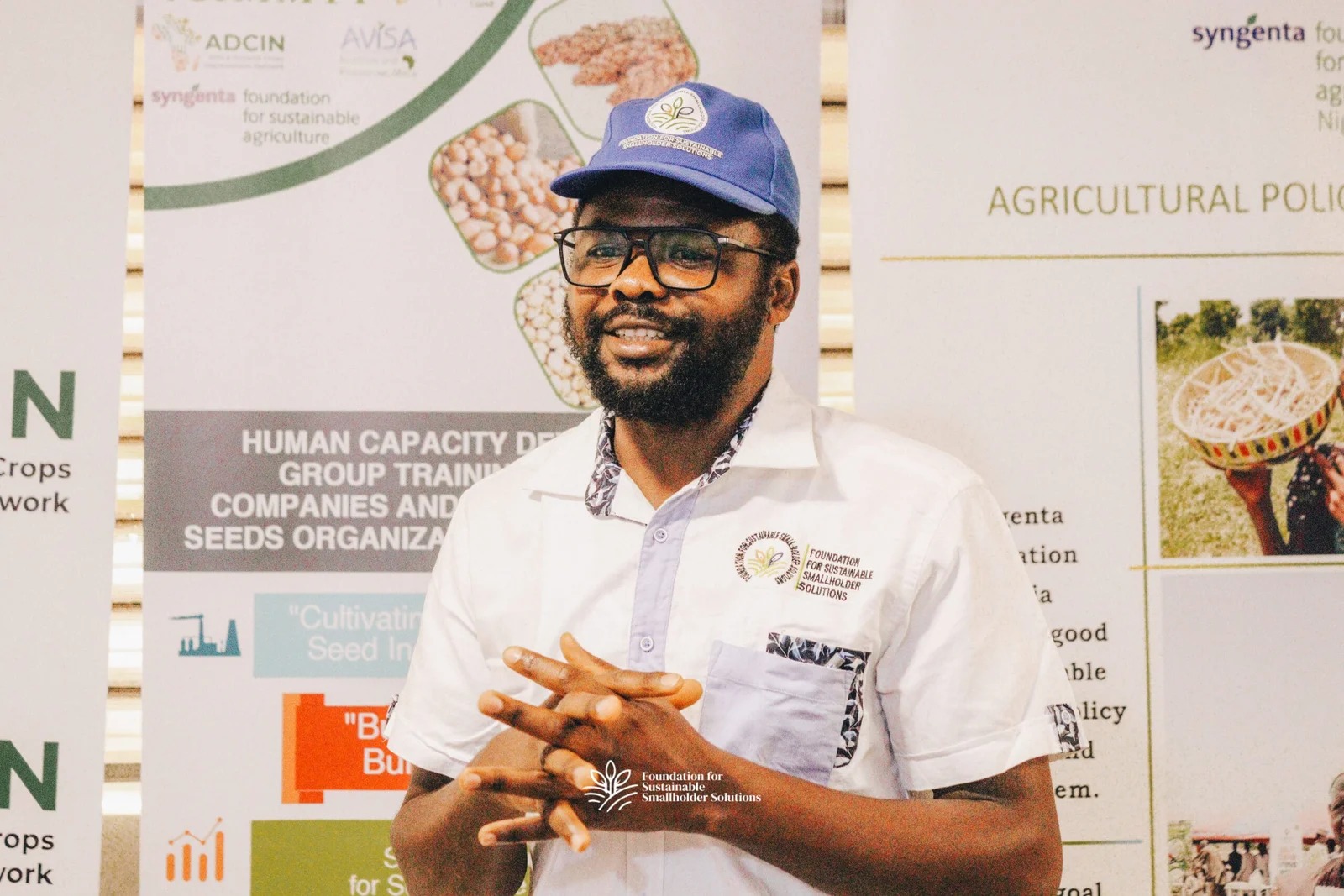
Speaking at the event, FSSS Senior Agronomist Dr. Reuben Solomon warned that indiscriminate deforestation and unsustainable farming are fueling desertification.
He advocated for regenerative agriculture—a holistic approach that restores soil fertility and sequesters carbon—as the primary solution to climate shocks.
FSSS Technical Lead, Timothy Azakere offered a stark assessment of the current state of the environment, saying “Many people don’t know that the soil is a living thing.The soil in the North is mostly dead, or almost dead. It is urgent that we bring life back into it.”
The event spotlighted the ESTRRA Project (Empowerment of Smallholders to Thrive and Build Climate Resilience through Regenerative Agriculture), Funded by the Heineken Africa Foundation.
This three-year initiative is currently being implemented across seven Local Government Areas in Northern Bauchi State, including Gamawa, Giade, and Katagum.
The project aims to directly reach 14,000 smallholder farmers, restore 29,000 hectares of degraded land, Implement practical solutions like fruit forests, composting, and water-retention earth bunds.
Despite the benefits, experts identified hurdles to adoption, such as high labor intensity and limited access to finance.
To bridge this gap, FSSS is utilizing its “Farmers’ Hub” model—a community platform providing training, quality inputs, and extension support.
The project also places a heavy emphasis on women and youth, integrating them into the value chain through nursery establishment and climate-smart agribusinesses to ensure the movement remains economically viable.
In their closing remarks, the experts urged development partners and the private sector to increase investment in regenerative systems, emphasizing that government policy must lead the way in protecting Nigeria’s natural resources.