By Suzan Edeh
The Federal Ministry of Information and National Orientation in partnership with the United Nations Children’s Fund (UNICEF) has urged journalists across Nigeria to uphold the highest ethical standards in child rights reporting, saying that protecting the dignity and well-being of the Nigerian child is sacrosanct in having a healthy society.
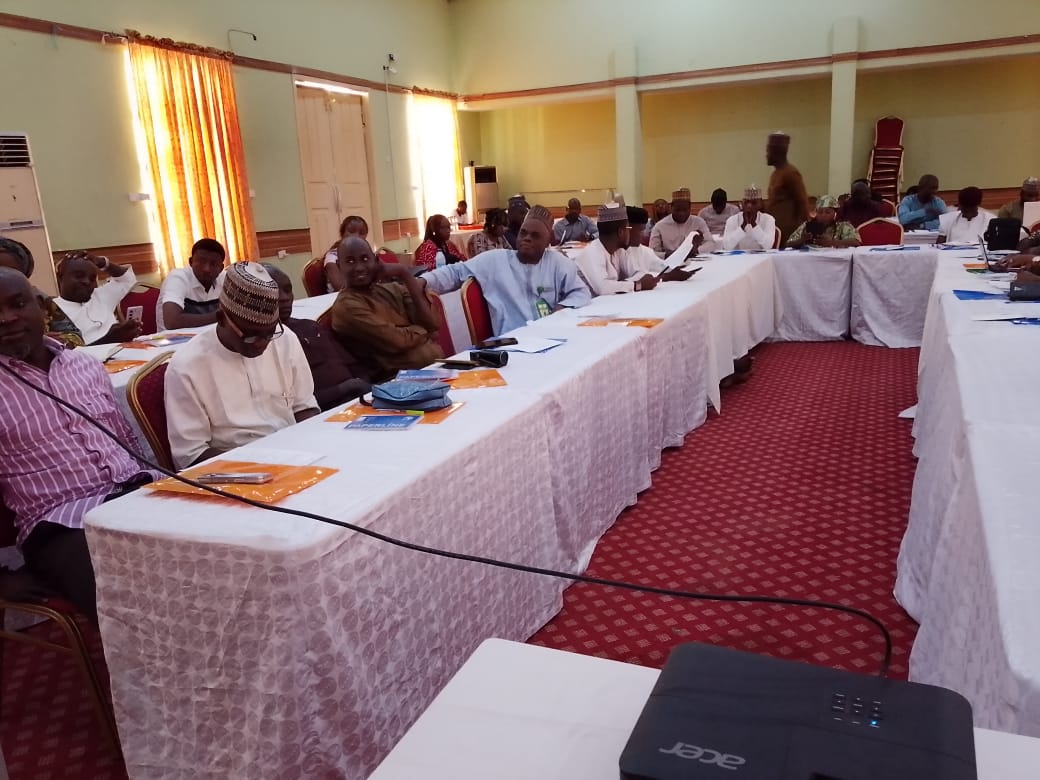
The call was made in a two day training for journalists on ethical reporting of children in the Northeast and Northcentral zone organised by Federal Ministry of Information and National Orientation and United Nations Children’s Fund (UNICEF) which held at the Emerald Hotel and Suite Gombe State.
In a welcome address, the Permanent Secretary, Federal Ministry of Information and National Orientation Agency, Mr. Ogbodo Chinasa Nnam, said that Ethical reporting means protecting children’s identities, avoiding sensationalism, and ensuring their stories are told with dignity and care, stressing that when journalists report professionally, they protect children, build trust and help communities heal and grow.
Represented by the Assistant Director, Child Rights Information Bureau (CRIB), Toye Falayi, Mr. Nnam said that the media holds immense power to inform, to inspire, and to hold institutions accountable, pointing out with that power comes a profound responsibility to report with integrity, sensitivity, and respect for human dignity.
“When it comes to stories involving children, that responsibility becomes even greater. Every image, every word, and every frame we publish can have lasting consequences on a child’s life, safety, and future”.
“This training is designed to help us reflect on our ethical obligations as journalists, explore best practices for reporting on children’s issues, and strengthen our understanding of child rights as enshrined in national laws and international conventions Through open discussion, case studies, and shared experiences, we aim to build a media culture that protects children’s identities, amplifies their voices responsibly, and upholds the highest ethical standards.
“I encourage everyone to engage fully, ask questions, and challenge assumptions- because ethical journalism is not static; it evolves with society. Together, let’s reaffirm our commitment to a media landscape that not only informs but also protects and empowers” he said
A communication Specialist Sussan Akila, UNICEF Lagos Chief Office, who delivered a keynote address on behalf of the UNICEF Country Representative, said that Ethical reporting, particularly when it concerns children is doing justice for a community, bringing about the healing of children and defending their rigths in society.
“Journalists operating in challenging environments must ensure their reporting does not exacerbate harm to victims.
The media has the power to shape public discourse and influence how society responds to issues affecting children,” Akila said, urging journalists to prioritise empathy in their reporting.
“Journalists must ask themselves whether the images, captions, or information they publish will help the victim or cause further harm,” she said.
She cautioned against publishing identifiable images or details of child victims, stressing this could lead to stigma and long-term trauma.
Akila encouraged journalists to view ethical reporting as both a professional responsibility and a humane obligation, contributing to the protection and dignity of vulnerable children.