By Godwin Moses
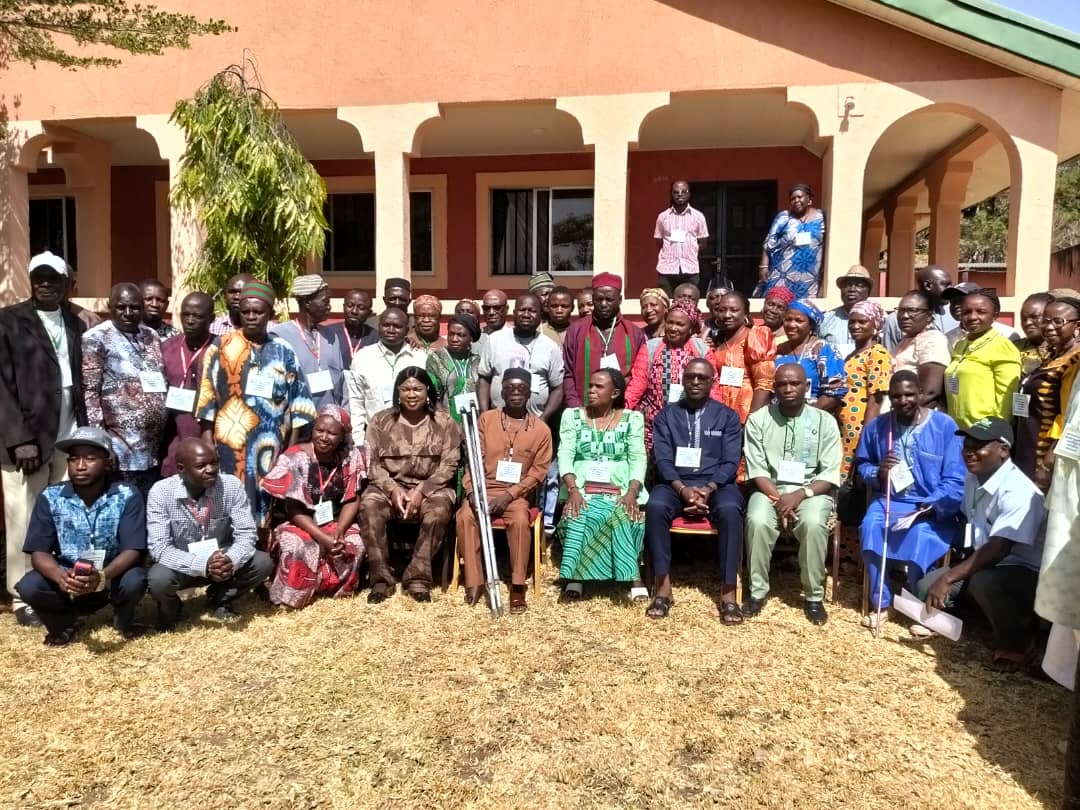
Jos, Nigeria – The Plateau State Environmental Protection and Sanitation Agency (PEPSA) has organized a capacity building training for School-Based Management Committees (SBMCs), Ward Development Committees (WDCs), and Primary Health Care Centre (PHCs) on the operations and maintenance of Water and Sanitation and Hygiene (WASH) facilities, bookkeeping, and meeting management in schools and Primary Health Care Centres.
The training, which was specifically designed for institutions where WASH facilities were constructed in Jos South Local Government Area, drew stakeholders from public primary health care centres, head teachers, and specific teachers in charge of hygiene, and leaders across project communities.
The aim of the training was to equip participants with the knowledge, skills, and attitudes necessary to effectively manage and maintain WASH facilities, ensuring their sustainability and promoting good governance and community engagement.
In his opening remarks, Hon. Samuel Dapiya, the Director-General of PEPSA, expressed concern over the vandalization of institutional WASH facilities built by PEPSA under the Urban Sanitation of the State Urban Water Supply and Sanitation (SURWASH) programme.
Dapiya disclosed that the government had invested heavily in building WASH facilities in Jos South, and lamented that some communities had failed to take care of these facilities.
“If the communities fail to take care of these facilities, it then means that we have failed our children,” Dapiya emphasised.
He added that during the construction phase, some individuals had resorted to defecating inside the building while construction was ongoing, a sad reality that the masons, carpenters, and others faced, and urged the community to take a decisive stand against such practices.

Records have shown that 10 out of the 20 newly built toilets that are yet to be handed over to PEPSA were found to be vandalized or experienced challenges of theft. Items stolen and vandalized include submersible water pumps, windows, pipes supplying water from the overhead tank storage, and water points.
The training is key to the sustainability and taking ownership of the institutional WASH facilities by benefiting community stakeholders and government workers whose PHCs and schools are directly in charge of the WASH facilities.
The training covered topics such as maintenance schedules for water supply infrastructure in institutions, hygiene, effective meeting management, and security of WASH infrastructure. Participants were also given guidance on bookkeeping and financial management, and were provided with two hardcover notebooks for taking minutes of meetings and recording financial transactions.
In the course of the training, it has been established that the task of taking care of these facilities jointly lies with the benefiting schools and the immediate community. Valuable feedback received by stakeholders were noted while the resource persons provided clarity to further questions raised by both community leaders and school head teachers concerning post-construction security arrangements.
As the primary beneficiary of the project, stakeholders were urged to think outside the box and come up with practical solutions to safeguard the Institutional WASH facilities placed under their care.
There’s no gain saying that government has other sectors that are waiting for intervention, therefore, benefiting communities should make arrangements to protect huge investment and commitment the government has provided in their communities in order to end open defecation through provision of WASH facilities to enhance safety and dignity to our children, particularly the girl and clients of benefiting PHCs.
The agency remains committed to protecting the health and well-being of the people of Plateau State and will continue to work tirelessly to ensure that the state is clean and free from environmental hazards. The training is part of PEPSA’s efforts to promote sustainability and community engagement in the management of WASH facilities.