By Dorathy Aninge
Stakeholders in Benue have urged government agencies and development partners to implement validated gender-based violence (GBV) response procedures and referral pathways to improve services for survivors.
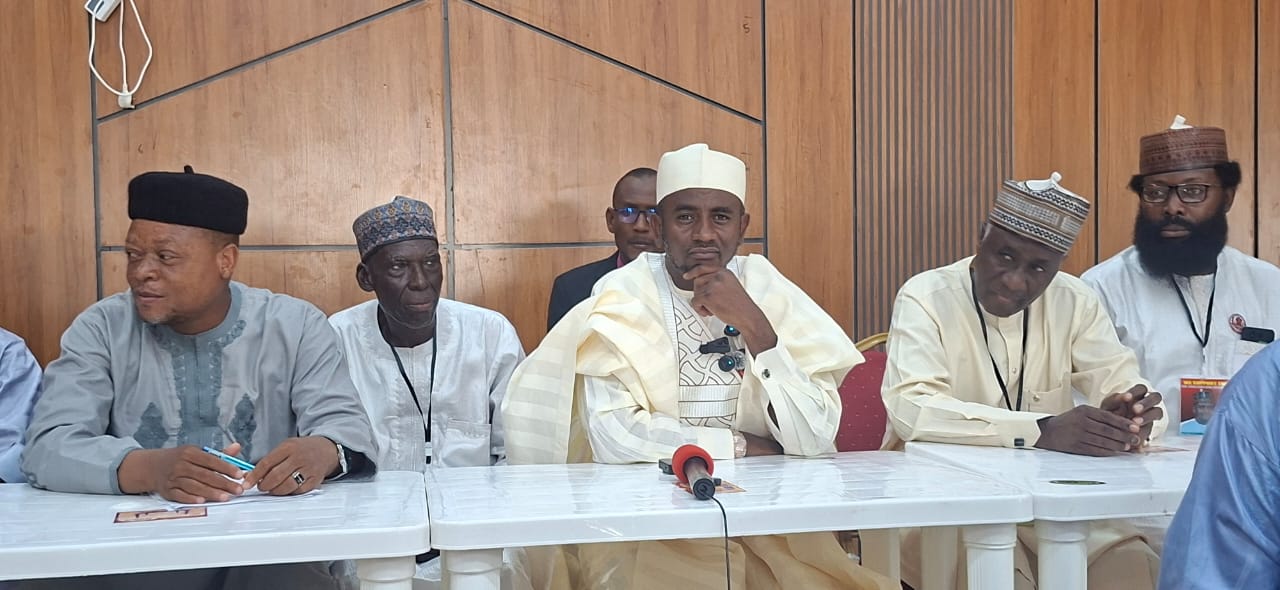
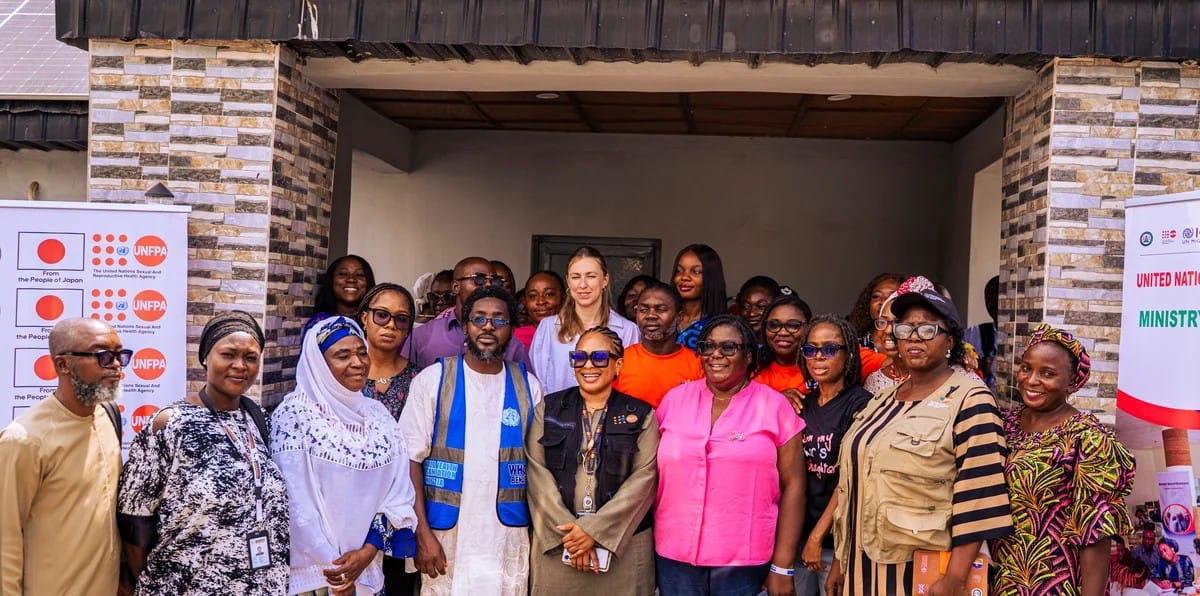
They made the call on Friday in Makurdi at the closing of a five-day workshop on the development and validation of GBV Standard Operating Procedures (SOPs) and referral pathways in the state.
Mrs Theresa Ikwue, Commissioner for Women Affairs and Social Welfare, represented by the Director of Women Affairs, Mrs Mimi Tion, described the workshop as fruitful and historic.
Ikwue thanked the United Nations Population Fund (UNFPA), other UN agencies, security personnel, health workers, social workers, civil society organisations and legal officers for their contributions.
She said the workshop had gone beyond validating documents to establishing common standards and coordinated approaches for responding to GBV cases across the state.
According to her, the validated documents will be finalised, printed and distributed across Benue’s 23 local government areas, including internally displaced persons’ (IDPs) camps, health facilities, police divisions and communities.
She, however, stressed that validation was only the first step, urging ministries, departments and agencies and development partners to adopt the procedures and train frontline personnel for effective implementation.
The commissioner reaffirmed the state government’s commitment to ending GBV, stressing the need to protect women and children.
Earlier, Mrs Brenda Nweke, GBV Subsector Coordinator at UNFPA, said the workshop’s recommendations would guide efforts to strengthen GBV prevention and response programmes across the state.
Nweke commended the Ministry of Women Affairs and Social Welfare for its leadership and pledged UNFPA’s continued support through capacity building and technical assistance.
She urged stakeholders to take ownership of their assigned responsibilities, stressing that the validated procedures must translate into accountable action and improved services for survivors.
Mr Victor Atuchukwu, Child Protection Specialist at the United Nations Children’s Fund (UNICEF) Nigeria, also urged stakeholders to ensure that the documents served as practical tools for delivering humanitarian assistance and protecting survivors.

Atuchukwu said women, children and other vulnerable persons affected by GBV must have access to essential services that safeguard their dignity and security.
He emphasised the need for stakeholders to uphold humanitarian commitments, urging them to prioritise survivors’ needs over disagreements concerning institutional responsibilities and funding.
Atuchukwu commended UNFPA for bringing stakeholders together and called for sustained collaboration among government institutions, UN agencies and development partners.
Mr Emmanuel Shagba, a data analyst with the State Emergency Management Agency (SEMA) and a participant at the workshop, described the exercise as demanding but rewarding.
He said participants had invested considerable time and expertise in developing the procedures, adding that the Ministry of Women Affairs required sustained support from development partners to consolidate the gains.
Shagba stressed the need to ensure that the procedures remained effective beyond the current administration.
Similarly, Dr Leo Viashima, Director-General of the Bureau for International Cooperation and Development (BICD), represented by Ms Beauty Adaku, Head of Human Resources and Administration, said effective GBV response depended on clearly defined responsibilities and timely referrals.
He urged the technical working group to establish implementation timelines, monitoring mechanisms and periodic reviews to track progress and address emerging gaps.
Viashima said the workshop’s success would ultimately be measured by survivors’ ability to access timely, confidential, coordinated and survivor-centred services that protected their dignity and rights.
He reaffirmed BICD’s commitment to working with UNFPA, the Ministry of Women Affairs, humanitarian organisations and other partners, urging stakeholders to commence implementation without delay. (NAN)