By Suzan Edeh, Bauchi
Community volunteer networks, Mama2Mama and Fathers-for-Good-Health (F4F), are driving a critical grassroots campaign against child malnutrition across Bauchi State following specialized mobilization and healthcare training funded by the United States Government and implemented by UNICEF.
The initiative targets the critical first 1,000 days of life from conception to a child’s second birthday by deploying trained local volunteers to educate families, identify early signs of malnutrition and bridge the gap between rural communities and formal healthcare facilities.
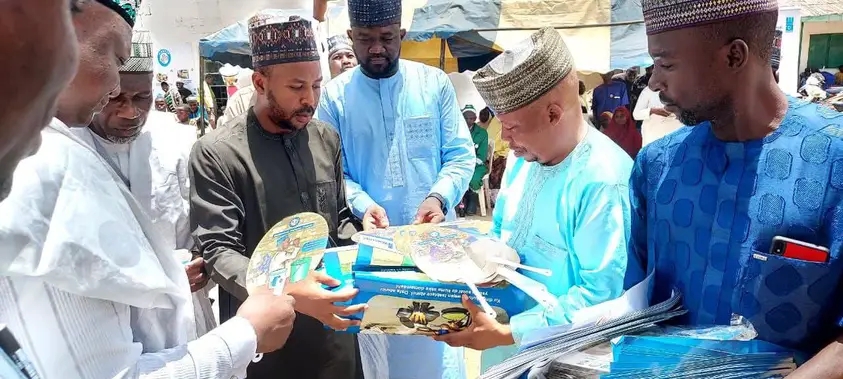
In Jama’are Local Government Area (LGA), volunteers conduct door-to-door sensitisation campaigns without medical equipment, relying entirely on community trust and education.
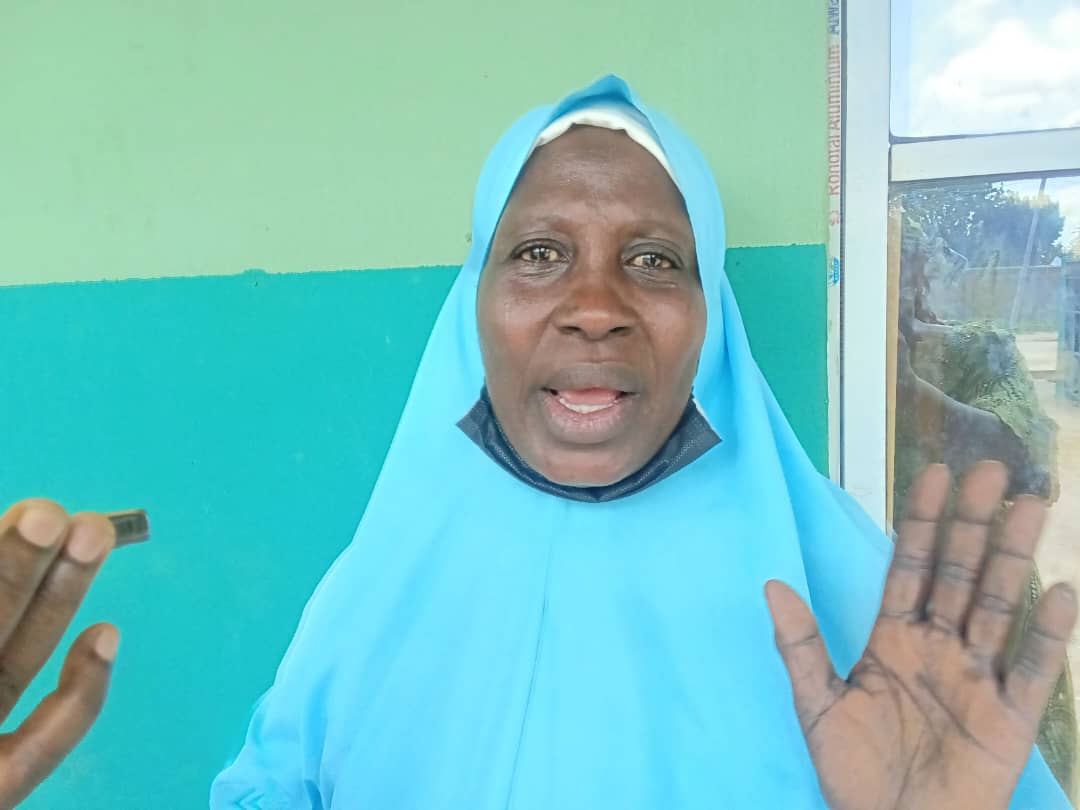
Adama Dauda Abdullahi, a 50-year-old Mama2Mama volunteer trained in April 2026, explained that her role involves close monitoring of pregnant women and mothers to ensure they access skilled care.
“When we identify a woman or a child who needs attention, we assess the situation and provide the necessary support.If the condition requires further medical attention, we encourage or refer the person to a health facility” Adama said.
Another volunteer, Kande Dokaji, reported that community acceptance has been overwhelming, leading to a drastic reduction in local malnutrition cases.
She noted that volunteers teach mothers to recognize early warning signs, such as poor growth, loss of appetite, and skin changes before the condition becomes severe, adding that once diagnosed, children are placed on Ready-to-Use Therapeutic Food (RUTF) at local health centres.
The campaign also actively engages men through the Fathers-for-Good-Health network to shift domestic health practices.
Yusuf Hafizu, an F4F member in Jama’are LGA, stated that the training has significantly improved male understanding of infant nutrition, disease prevention, and proper young child feeding practices.
“We learned about breastfeeding and what happens when a child reaches six months of age, when complementary foods should be introduced.After the training, we went into the community and shared what we had learned with other families” Hafizu said.

Despite the progress in nutritional awareness, health officials note that broader structural challenges remain.
Dr. Rilwanu Muhammad, Executive Chairman of the Bauchi State Primary Health Care Development Board, highlighted a significant statistical gap, saying that while 70 to 80 per cent of mothers in the state attend antenatal care, only 35 to 40 per cent deliver in institutional health facilities.
Dr. Muhammad warned that home deliveries continue to elevate risks associated with poor infant feeding, infections, and early childhood malnutrition.
According to him, the state has distributed about 480,000 cartons of RUTF and approved N500 million for the fresh procurement of RUTF and Multiple Micronutrient Supplements, with UNICEF expected to provide another N500 million as a matching grant.
“We are waiting for the release of the money so that UNICEF will also pay another N500 million as matching grant to procure these items. That is why we are trying to close the gap,” he said,
To counter these gaps, UNICEF and the U.S. Government are shifting focus heavily toward preventative care.
Philomena Irene, a Nutrition Specialist with the UNICEF Bauchi Field Office, confirmed that the current U.S. Government grant is explicitly structured to prevent malnutrition at the community level before it requires severe medical intervention, reinforcing the local volunteer infrastructure as the state’s frontline defense.
“The U.S. Government support to Bauchi State through the grant has enabled us to provide support to over 40,000 children aged 6 to 23 months with Small Quantity Lipid-based Nutrient Supplements, SQ-LNS, for the prevention of malnutrition”.
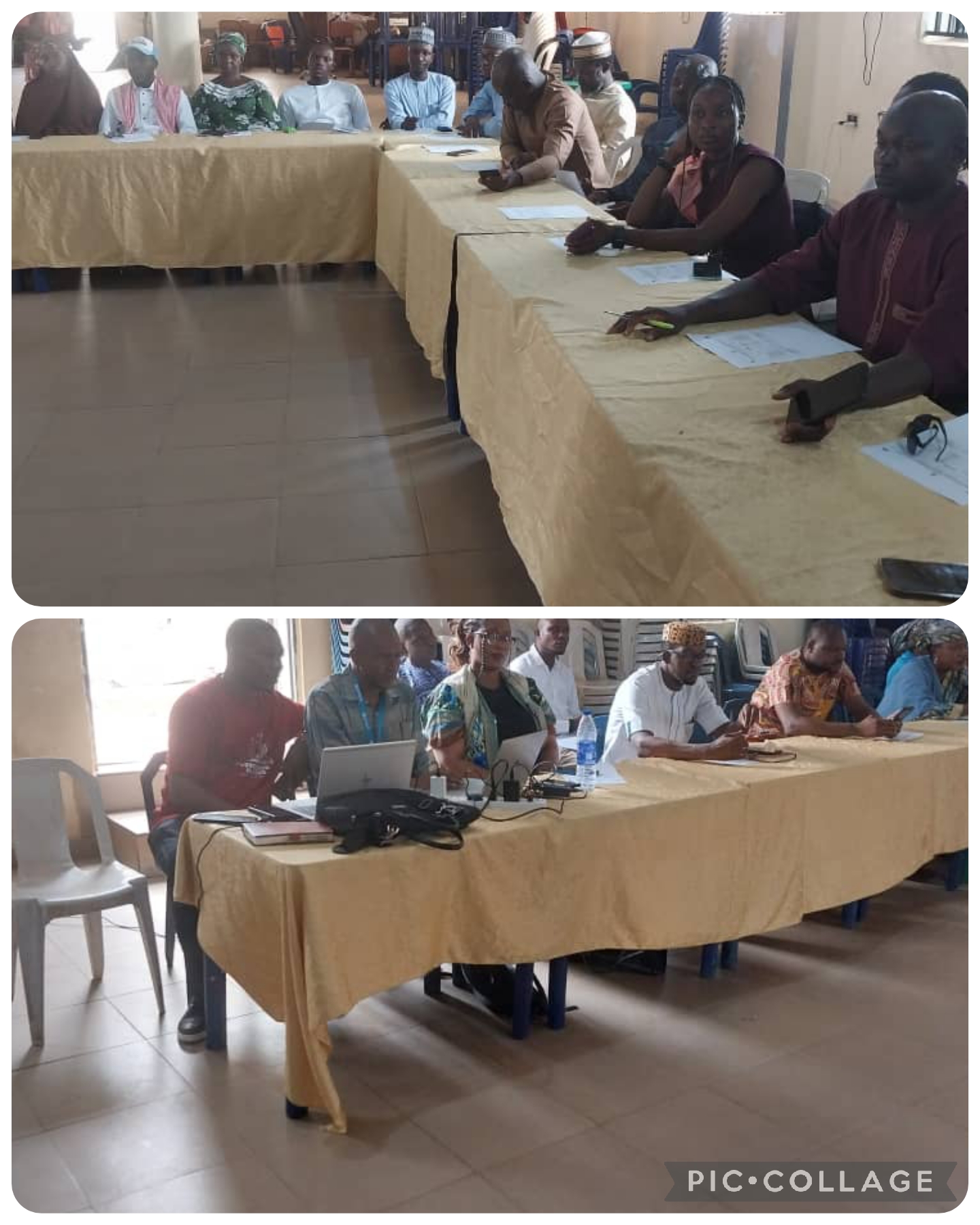
“The intervention, however, goes beyond nutritional supplements, as more than 6,000 Mama2Mama and Fathers for Good Health support group members have been trained to deliver nutrition messages focused on the first 1,000 days of life, while more than 50 health workers have received training on the management of acute malnutrition at health-facility level”.
“This is the period where 75 percent of brain development takes place, including the muscular system, skeletal system and vital organs.”
“If we miss this period, children may not fit among their peers, may not compete in the digital world, and may be prone to diseases like cancer, obesity and other non-communicable diseases” She said.