By Amina Mohammed Lafia.
The Nasarawa State Primary Healthcare Development Agency (NAPHCDA), in collaboration with UNICEF, has announced the launch of specialized strategic health camps across four local government areas to address the prevalence of malnutrition and polio.
The initiative is designed to integrate polio vaccination efforts with critical nutrition services following reports of high malnutrition rates among children in minority communities.
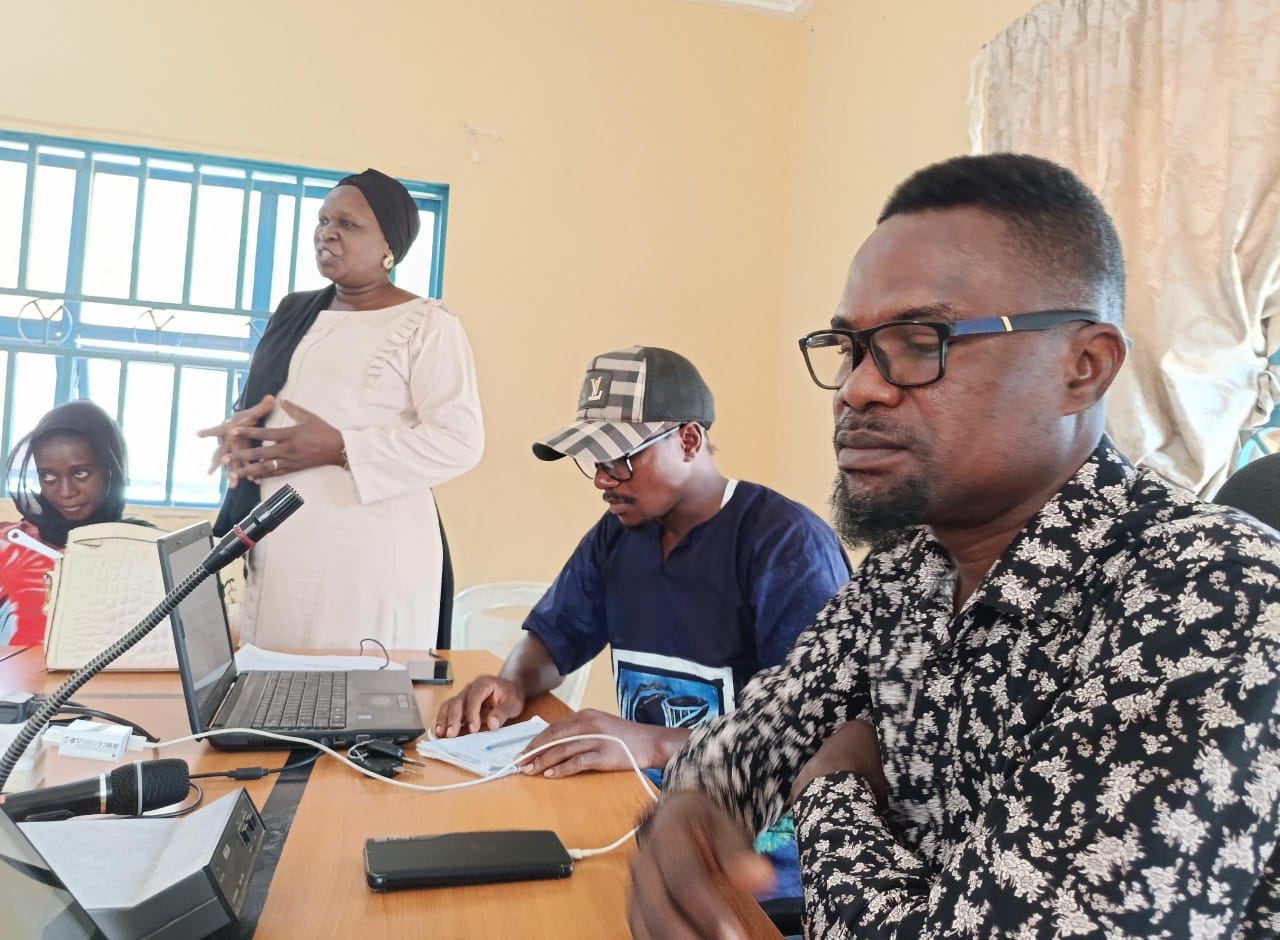
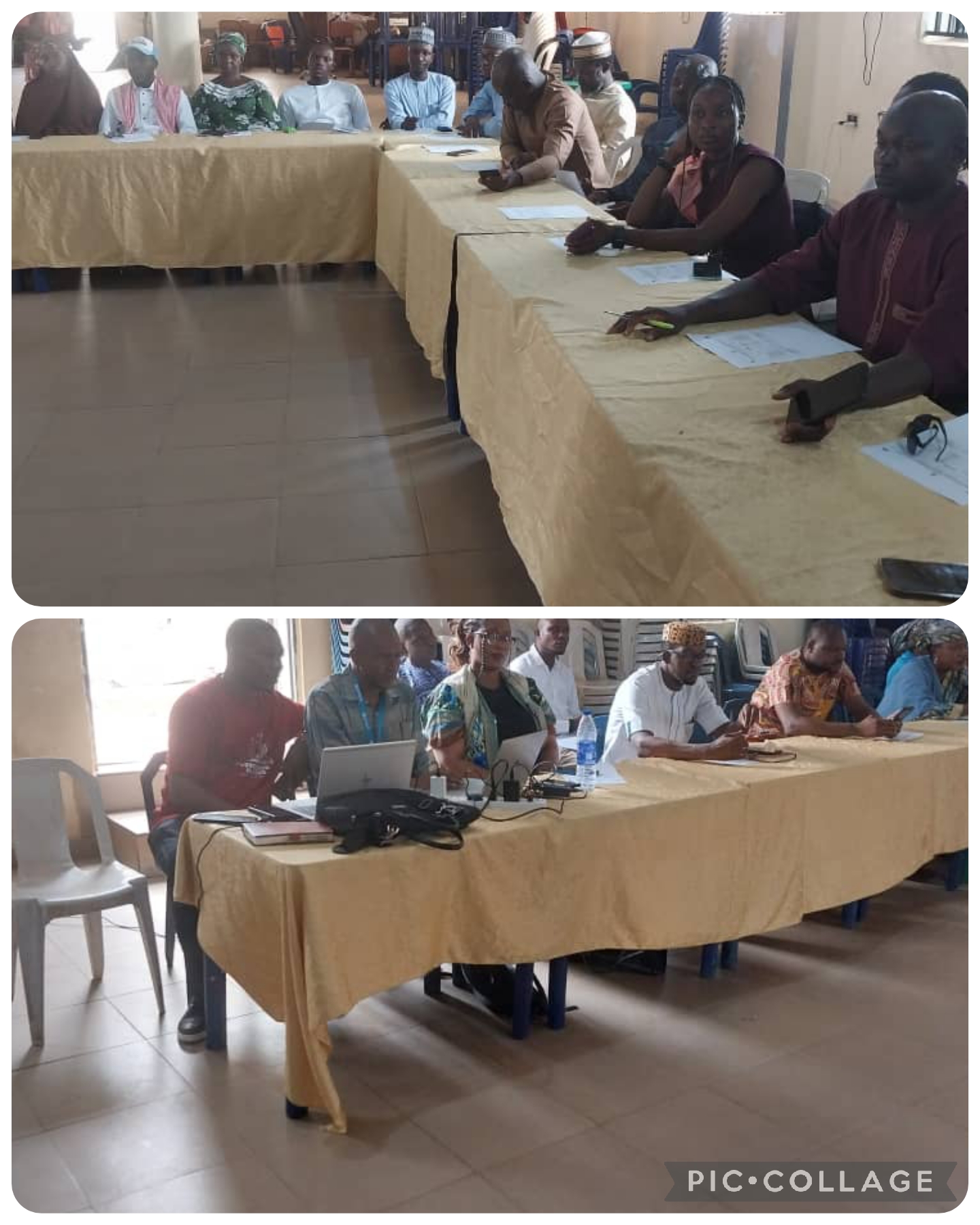
Speaking during a one day media engagement, in Lafia the state capital,
Health Specialist Immunization with the UNICEF Kaduna Field Office, Dr. Ahmed Tsofo, emphasized the gravity of the disease noting that while Nigeria has made strides, polio remains endemic due to environmental factors and missed children during previous exercises.
“Polio is a viral disease that causes permanent disability and sometimes death, It spreads through contaminated food and water. If one child is infected, 200 more children around them are at immediate risk. This is why we must adopt a mass campaign strategy to reach every eligible child”, Dr. Tsofo explained.
He attributed the continued persistence of the virus to poor sanitation, open defecation, and clogged drainages, which provide breeding grounds for the virus to survive in the environment.
Dr. Tsofo, urged parents to make their children available for both the oral polio vaccine (OPV) and the injectable vaccines provided during routine immunization.
Also speaking, Executive Secretary of the NAPHCDA, Dr. Usman Iskilu Saleh, represented by Director of Admin and Human Resources of the Agency, Ayitonu Sunday Emmanuel, said that the agency is pivoting toward a multi-sectoral approach to ensure that public health interventions reach the state’s most vulnerable and remote populations.
Dr. Saleh emphasized that the strategy relies on mobilizing communities and caregivers through partnerships with religious leaders and school authorities to build trust.
He said the success of the 2026 Polio outbreak response, is leaning heavily on community leaders and the press.
The Director of Nutrition for the agency, Salome Aya, explained that the health camps were conceptualized after data from a recent polio campaign flagged significant numbers of malnourished children in various communities.
She said to ensure the pilot program’s effectiveness, the agency has identified four LGAs with a high burden of malnutrition for the initial rollout which are Nasarawa, Toto, Keffi, and Awe.
“We decided to start small to see how it will work, we are targeting 50% of the wards in each of these LGAs. For example, in Nasarawa LGA, which has 15 wards, we are deploying to eight. Our focus is strictly on rural wards where people face the greatest barriers to accessing care”, Aya stated.
She said the health camps will serve as referral points for vaccination teams. When a child is identified as malnourished during the polio immunization drive, they will be referred immediately to a camp for,
Nutritional Support: Provision of Ready-to-Use Therapeutic Food (RUTF) provided by UNICEF.
Treatment of minor illnesses and general health assessments, community Outreach through Mobile services designed to reach households who are unable to travel to urban centers.
On his part, Media expert Dr. Kalu Idika, called journalists to play active role in deepening efforts through campaigns to fight malnutrition and polio to minimal level.
“The media has the capacity to influence how individuals perceive the importance of a news item, we must use that influence to ensure no child is left vulnerable to polio”, Idika said.
The NAPHCDA maintains that this integrated health camp model will provide a vital safety net for children in the state, by ensuring that the fight against polio also addresses the underlying crisis of food insecurity and malnutrition.