Lagos, Nigeria – The Media Rights Agenda (MRA) has called on Federal and State Governments to address challenges within Nigeria’s information ecosystem that limit women’s access to information and hinder the full enjoyment of their right to information.
The organization made the call in a statement issued on Sunday in Lagos to mark the International Women’s Day (IWD) 2026.
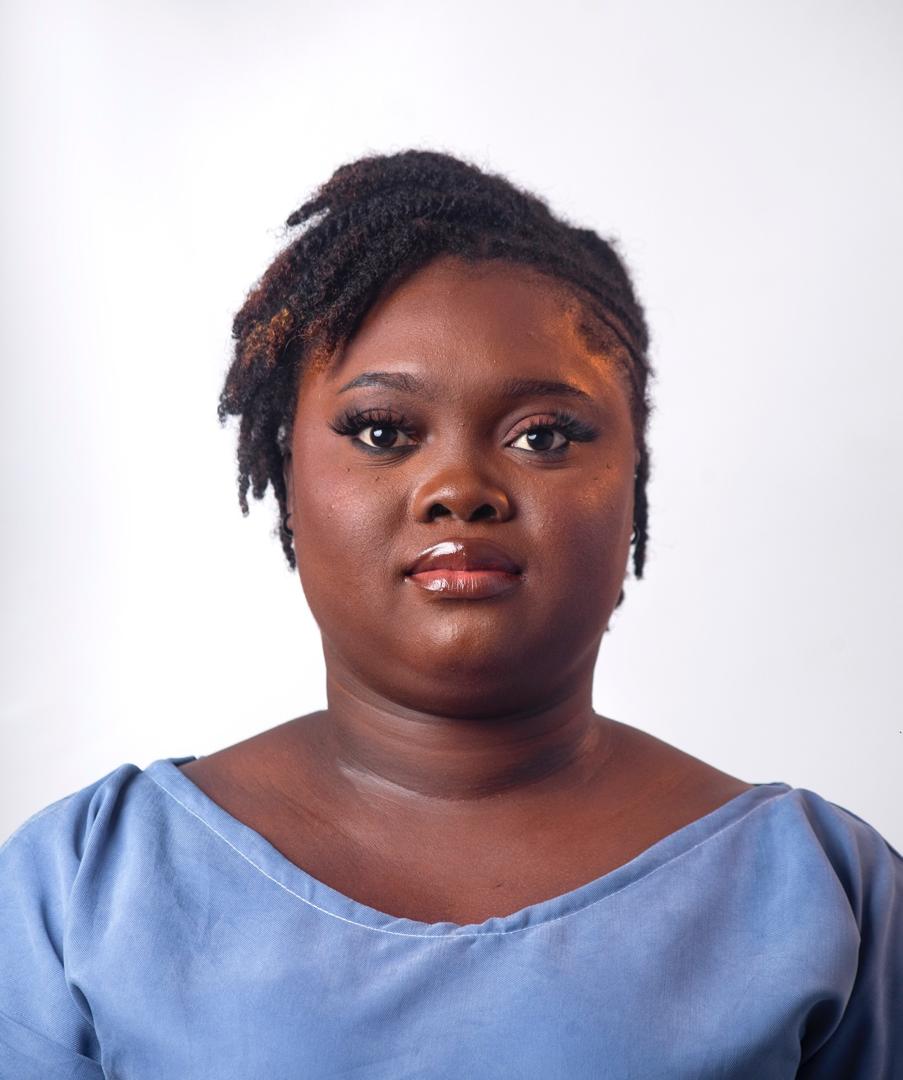
In the statement, MRA Programme Officer, Ayomide Eweje, said meaningful progress for women in Nigeria cannot be achieved while barriers such as bureaucratic secrecy continue to restrict access to public information.
She noted that access to information is not only a legal right but also a critical tool for women’s survival, empowerment, and equality.
According to Eweje, information enables women to make informed decisions, claim their rights, and actively participate in social, economic, and political life.
She explained that improved access to information can enhance women’s socio-economic status by enabling them to contribute more effectively to the economy.
“Digital access and information allow women to leverage tools for entrepreneurship, financial growth and networking. It also helps them secure credit for small businesses and manage economic resources,” she said, adding that information networks can help bridge the gap for rural women who are often excluded from economic opportunities due to limited infrastructure and access to knowledge.
Eweje also stressed the importance of information in healthcare, noting that access to comprehensive reproductive health information empowers women to make informed decisions about their bodies, ensures safer childbirth, and contributes to reducing maternal mortality.
She further stated that awareness of modern family planning methods can help prevent unsafe abortions and sexually transmitted infections.
On governance and democratic participation, Eweje said access to information enables women to engage in debates on socio-economic issues, demand accountability in public service delivery, and make informed electoral choices.
She added that information also plays a crucial role in supporting survivors of abuse by helping them understand how to report crimes, access post-rape care, and obtain legal aid.
The MRA official also raised concerns over rising digital threats against women, noting that technology-facilitated gender-based violence such as cyberbullying and deepfakes is increasingly being used to silence women’s voices online.
She said coordinated attacks against female journalists and civil society activists in digital spaces often discourage women from participating in online discourse and limit their access to vital information.
Eweje therefore urged the Federal Government, the National Assembly, and state governments to take deliberate steps to eliminate barriers preventing women from accessing information.
She specifically called for the collection and proactive disclosure of gender-disaggregated data by public institutions, particularly in sectors such as agriculture, health, and education, to better reflect women’s experiences and needs.
She also urged government, security, and law enforcement agencies to protect the “digital frontline” by prosecuting individuals who use digital tools to harass and silence women.
Eweje further recommended that the Cybercrimes (Prohibition, Prevention, Etc.) Act, 2015, as amended, should be used to protect women online rather than suppress dissent.
She reaffirmed that MRA remains committed to promoting an open society where Nigerian women can exercise their right to access information, speak freely, and participate in leadership without fear of harassment or secrecy.