By Francis Nansak, Lafia
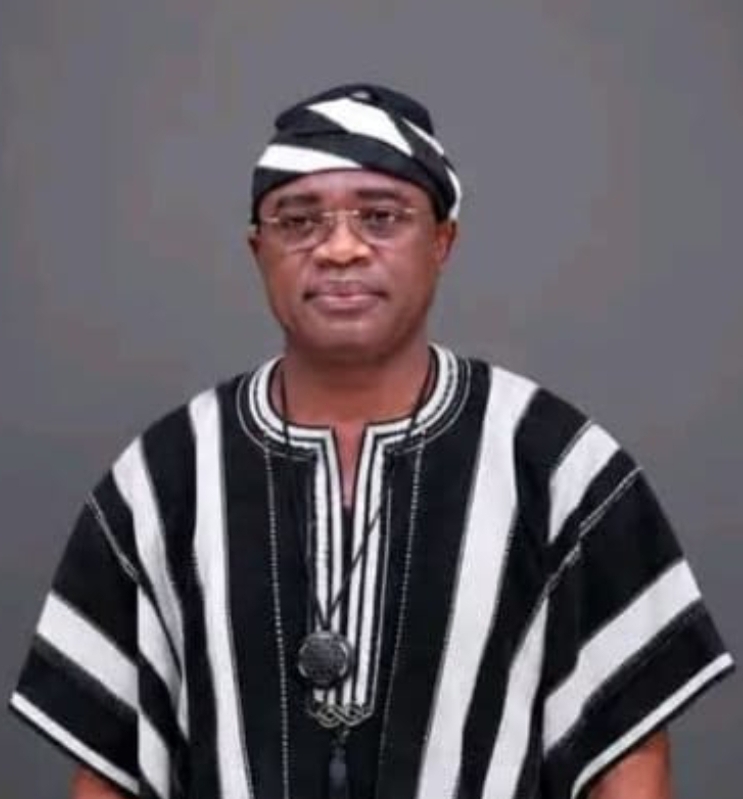
At first glance, he appears frail, quiet, and unassuming, yet he has exceeded all expectations. His seven years in office have been significant, marking him out as a deliberate political officeholder whose management of public resources has touched lives and transformed infrastructure.
It was not a tea party when he was sworn in as governor in 2019, given the challenges at the time: insecurity, ethnic diversity tensions, and an impoverished civil service. However, within the first hundred days in office, signs of relief emerged, giving people renewed hope for better days.
Then came the almighty pandemic and the life-threatening outbreak of COVID-19. Engineer Abdullahi Sule’s administration was shaken to its core, threatening his quest to bequeath good governance to the citizenry. But drawing on his dexterity and global experience in managing industries, he fought back through accountability and discipline. The pandemic was well managed and overcome.
The impact of the scourging disease did eat into the first four years of the administration, but the governor’s determination to exceed expectations driven by the ambitious vision encapsulated in the Nasarawa Economic Development Strategy (NEDS) became the driving force for innovation and the implementation of policies and programmes.
Revenue generation, security stability, and the unification of the state’s diverse communities were top priorities for the Engineer Abdullahi Sule administration. That goal was achieved through consistent engagement with stakeholders, youth groups, and women alike.
By the end of the first four years, the vision and mission for good governance became clear. The promise to industrialize the state is now a legacy. Untapped mineral resources and agricultural potential have been harnessed. Education and healthcare services have improved. Civil servants now receive their wages as and when due, and pensioners have forgotten the days when they waited months for a single month’s pension.
The unemployment trap that graduates suffered for twelve years has eased, thanks to the space created in the civil service and the deliberate enabling environment for investors who have established businesses in the state.
Nasarawa State has competitively evolved from its former outlook as a purely farming state into an agro-allied community producing farm outputs for industrial use, not just subsistence. This reality is evident in the presence of agro-industries such as Flour Mills of Nigeria, Dangote Sugar Refinery, and Olam Rice. More recently, the state government’s rice farm at Ajangwa sold its harvest at subsidized prices to citizens—an initiative of Governor Abdullahi Sule.
Politically, the administration’s purposeful drive for all-round development through infrastructure upgrades, new projects, and deliberate efforts to improve lives has set a pace for the state’s future advancement. This calculated and strategic planning has weakened the support opposition parties once enjoyed. The administration has also attracted more members to the ruling All Progressives Congress, enabling the party to, for the first time, deliver overwhelming votes for the sitting APC president.
Today, in his seventh year in office and with 12 months left before he exits the Government House on Shendam Road, Governor Abdullahi Sule faced stiff opposition over who should succeed him to sustain his legacies. True to his unassuming character, the choice of his successor was shaped by the zoning formula. Through consultations, he engaged his predecessors and other critical stakeholders.
To maintain the state’s relative peace and unity, the governor believed the pendulum should not swing haphazardly. The gentleman’s agreement had given the Western Zone the first civilian governor over 20 years ago, while the Southern Zone ruled for 12 years. It was therefore the turn of the Northern Senatorial Zone, which produced incumbent Governor Abdullahi Sule, whose tenure ends on 29th May 2027.
This position was argued against by immediate past governor Senator Umaru Tanko Al-Makura, who resisted the zoning formula despite having championed it during his tenure,an arrangement that brought Abdullahi Sule of the Northern Senatorial District to power.
Governor Sule resisted the pushback and vowed to uphold the earlier zoning agreement, insisting it should return to where it started: the Western Senatorial District, which has been out of power for two consecutive decades.
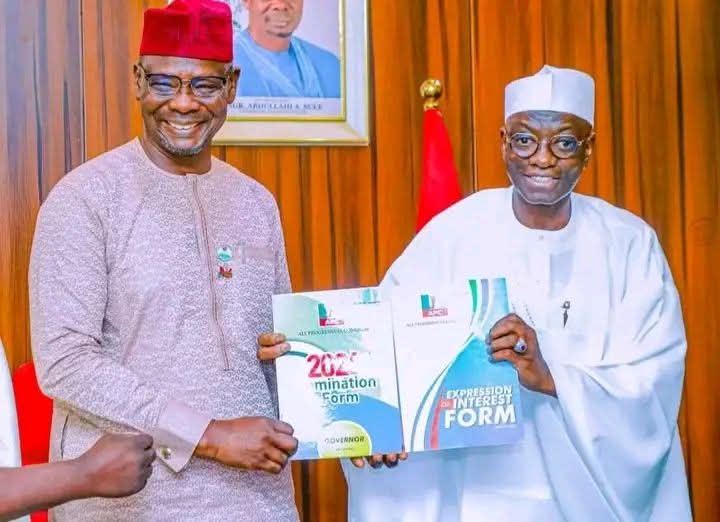
The resistance paid off. The primaries were concluded, and Senator Ahmed Wadada Aliyu, representing Nasarawa West in the National Assembly, emerged as the APC governorship candidate. This makes the administration’s seventh year, coming to a close on 29th May 2026, a historic milestone for a man once dismissed as a frail, inactive technocrat with little political calculation.
This is why this year’s May Day celebration must carries the theme “Accomplishment Amid Tacit Huddles.” Political watchers now believe the governor’s preferred successor will not fall short. If elected in 2027, Nasarawa State is expected to witness greater development, as Senator Wadada has promised in his consultations to scale up existing progress.
That assurance has also given the outgoing governor the confidence to boast that he will not interfere in his successor’s administration: “I will only interfere where you are doing the wrong thing,” Governor Sule stated during a thank-you visit by Senator Ahmed Wadada Aliyu.