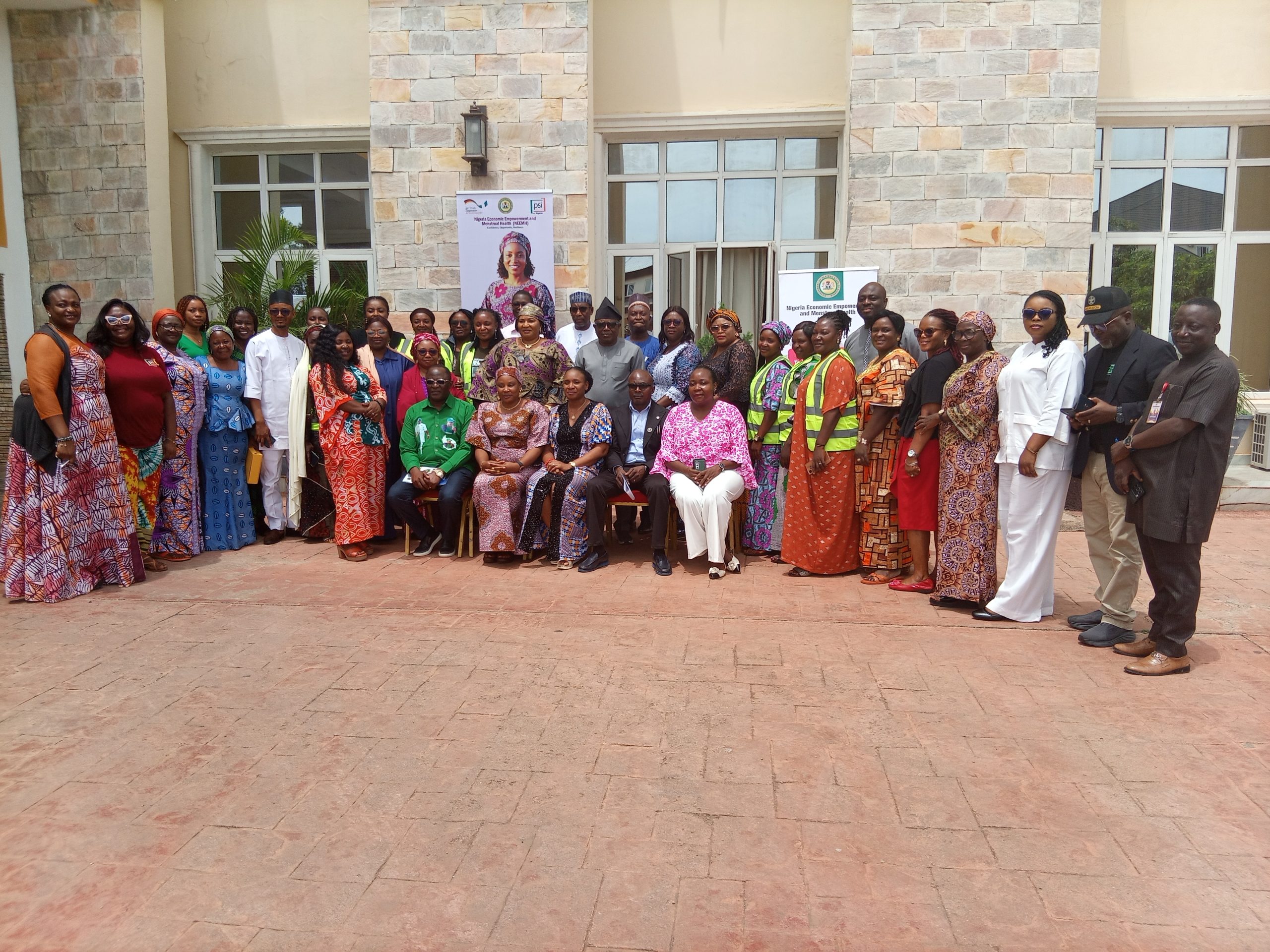
Stakeholders at the launch of the Nigeria Economic Empowerment and Menstrual Health (NEEMH) Project in Plateau State have been urged to sustain the commitments and partnerships made during the event to ensure lasting impact for women and girls across the country.
The event which was held on Tuesday at Crispan Hotel in Jos, the Plateau State capital had in attendance, government officials from line ministries which includes Commissioners from ministries of Women Affairs and Social Development, Health, Commerce and Industry and Agriculture as well as Heads of Agencies and implementing partners.
The initiative, launched by Population Services International (PSI) Nigeria with support from Deutsche Gesellschaft für Internationale Zusammenarbeit (GIZ) and funding from the German Federal Ministry for Economic Cooperation and Development, is aimed at improving menstrual health, dignity, and economic opportunities for women and girls.

Speaking at the event, the Plateau State Commissioner for Women Affairs, Caroline Dafur, described menstrual health as a critical development issue that affects education, gender equality, dignity, and economic empowerment.
She noted that many women and girls still struggle to access safe and affordable menstrual health products because of high costs, poor availability, and persistent stigma, especially in vulnerable and hard-to-reach communities.
According to her, the project’s integrated approach links menstrual health with livelihoods, education, and social transformation, while also creating sustainable income-generating opportunities for women through community engagement and local enterprise development.
Country Representative of Population Services International PSI Nigeria, Fifi Oluwatoyin Ogbondeminu, said the launch represents a promise that no girl should miss school because of lack of menstrual health support or access to sanitary products.

She explained that menstrual health and economic empowerment are interconnected, adding that healthy and confident women are better able to learn, work, lead, and contribute meaningfully to society.
Senior Technical Adviser at Deutsche Gesellschaft für Internationale Zusammenarbeit, Suzan Gopuk, said the project seeks to strengthen women’s collectives, expand affordable access to menstrual health solutions, improve women’s participation in markets, and promote financial inclusion through partnerships with local NGOs and microfinance institutions.
A major highlight of the event was the commitment by the Ministry of Commerce to support the free registration of women’s collectives and cooperatives, a move participants described as a significant boost for women-led economic groups.

The organisers expressed optimism that the commitment would strengthen women cooperatives and improve their access to business opportunities, financial support systems, and sustainable livelihoods.
Stakeholders at the launch were commended for their dedication and contributions toward the success of the initiative, saying such is a demonstration of strong commitment to advancing the welfare of women and girls through active support for the programme.
Participants were encouraged to ensure that all commitments made during the launch are fully implemented, stressing that the initiative represents more than ceremonial declarations.
According to the organisers, the project is a deliberate effort aimed at creating lasting change by promoting dignity, inclusion, resilience, and greater economic opportunities for women and girls across Nigeria.
The event also featured a project overview presentation by Senior Program Manager of PSI, Winifred Kwaknat, leadership award presentations to key government officials, and a panel discussion by experts on menstrual health hygiene and women’s economic empowerment.