By Janada Bangalu, Conservator, Jos Museum
Climate change is increasingly threatening cultural heritage sites and artifacts across Nigeria.
The Hidden Victim of Climate Change
When people talk about climate change, the conversation often focuses on melting ice caps, rising seas, droughts, and floods. Rarely do we speak about one of its quietest victims, our cultural heritage. Yet across Nigeria, ancient treasures are being damaged or destroyed, not by war or theft, but by the changing climate.
Floods, Heat, and Decay
Rising temperatures cause wooden sculptures to crack and warp. Sudden floods wash away archaeological sites and damage museum storage. Increased humidity accelerates the growth of mold and pests, which eat away at books, textiles, and paper records. Even small changes in weather patterns can destabilize fragile artifacts.
Why It Matters
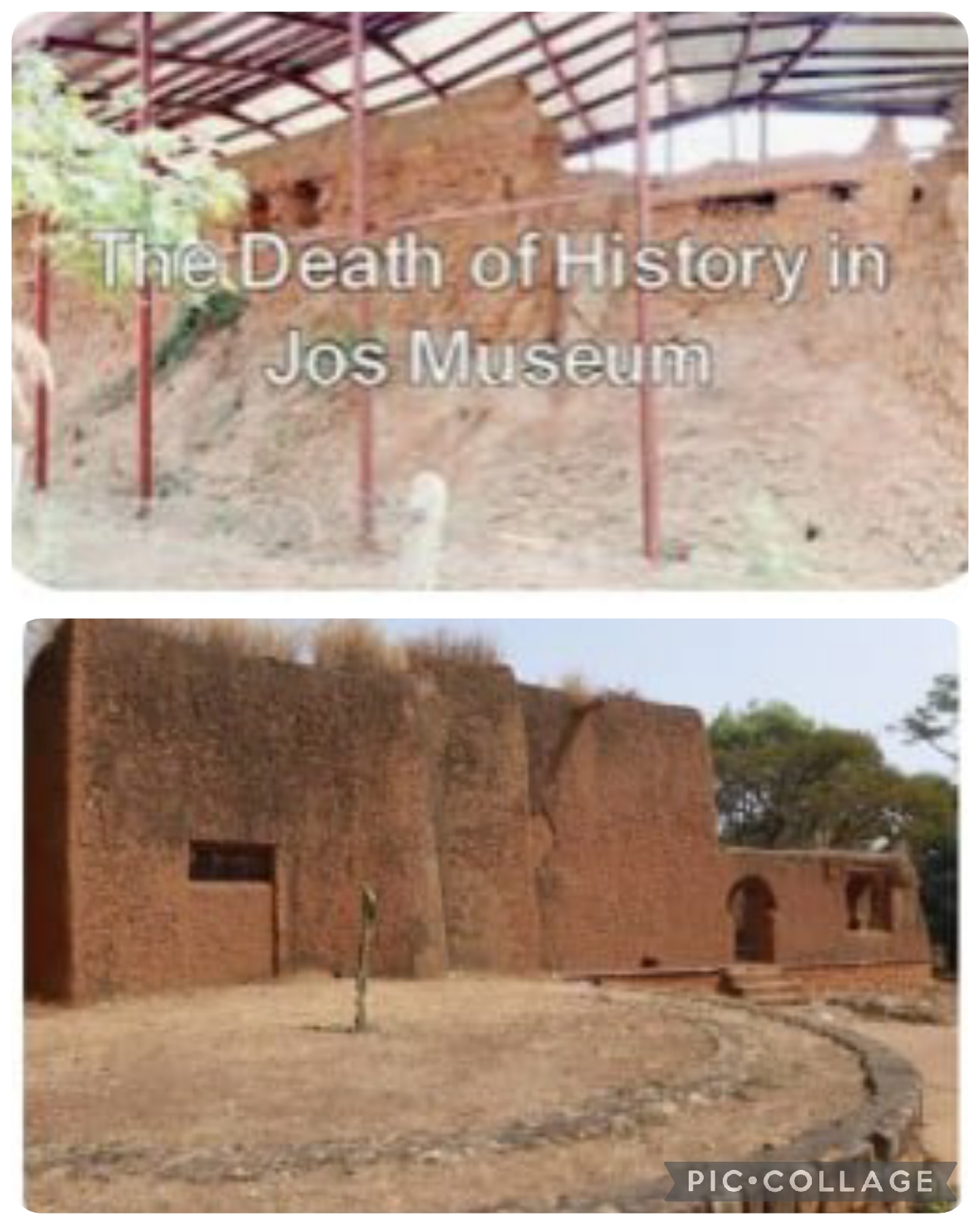
A monument eroded by heavy rains or a manuscript damaged by water is not just a broken object. It is an irreplaceable piece of our history gone forever. These are losses that cannot be repaired or replaced, no matter the resources available.

Acting Now
In the age of climate change, conservation must adapt. This means:
Storing objects in climate-controlled environments.
Using materials that can withstand temperature and humidity fluctuations.
Creating emergency response plans for heritage sites in flood-prone or high-risk areas.
Your Role
Everyone can help. Keep family heirlooms in dry, safe spaces. Support policies that protect museums and heritage sites from environmental damage. Share awareness about this overlooked threat.
Guarding Memory Against the Storm
Climate change is more than an environmental crisis. It is a cultural emergency. The past is our compass to the future. If we allow it to be washed away, we lose not just artifacts, but the stories, lessons, and identities they hold.