By Suzan Edeh, Bauchi
A group known as the Saqafatul Islam Foundation of Nigeria, SIFN has called strongly on the coordinating Minister of Health Professor Muhammad Ali Pate to make clarifications on Reproductive Health Integrity Policy, External Influence Concerns and Public Confidence.
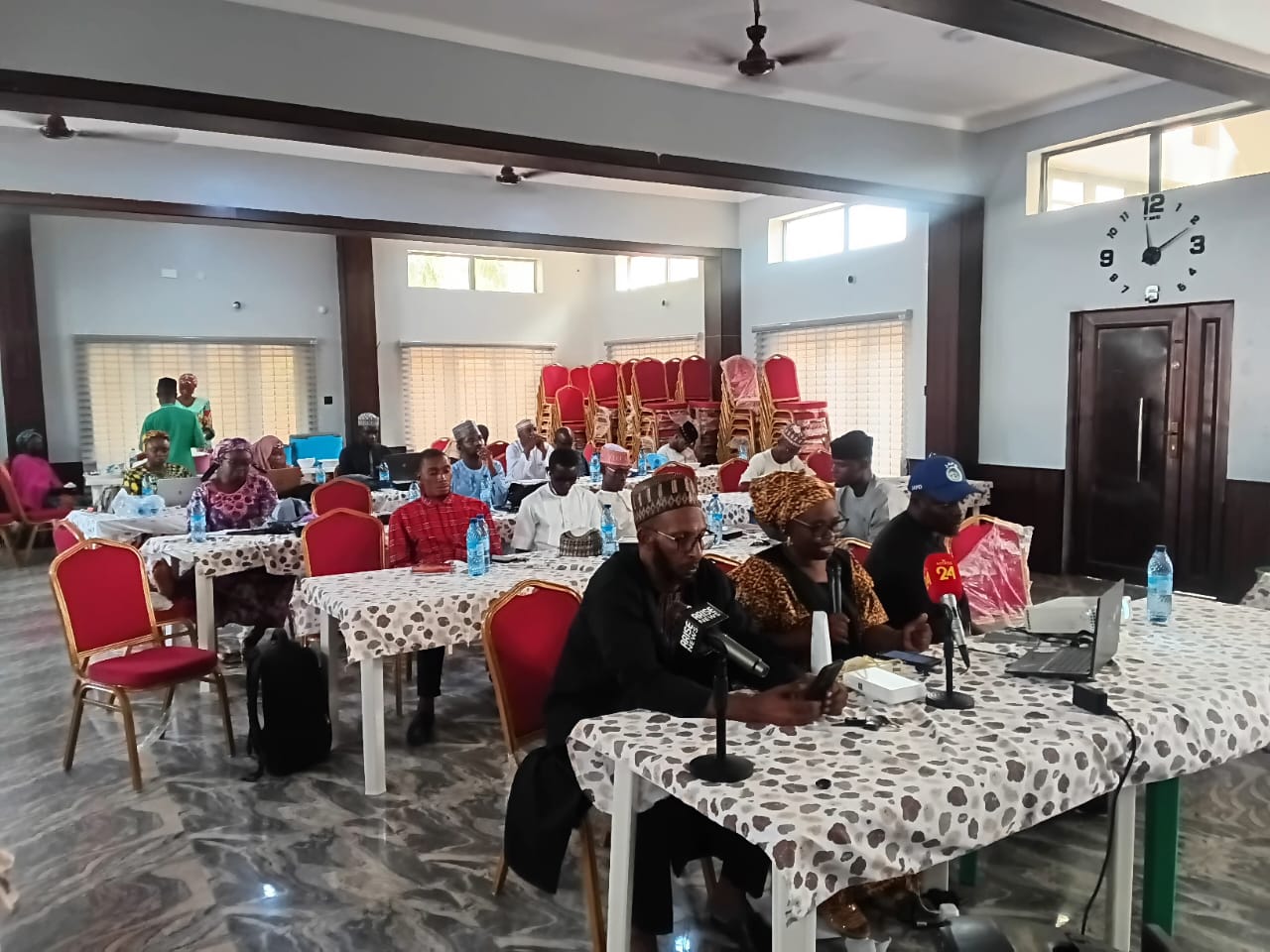
The group sought for the clarifications In an open letter signed by Muhammad Awwal Ahmadu Secretary of the foundation sent to the minister which was made available to reporters in Bauchi.
The letter stated that as patriotic stakeholders, the group is requesting for the minister’s comments on matters of growing public concern which include Nigeria’s fertility rate, the integrity of reproductive health policy discussions and the implications of recent international disclosures for public trust.
“Public reporting and commentaries in recent weeks including reports referencing materials said to be connected to the Jeffrey Epstein matter, have generated anxiety among Nigerians about whether influential foreign individuals or networks may have taken an interest in demographic outcomes in Nigeria”.
” While SIFN does not claim personal knowledge of the authenticity, completeness or legal meaning of any purported communications circulating online, the public perception of possible external agenda-setting has become significant and warrants clear reassurance from Nigeria’s health leadership”.
“Nigeria’s fertility rate is frequently discussed in global public health circles. Any policy or programme relating to fertility, family planning, maternal health or reproductive services must be grounded in Nigerian law, public health evidence, human right standards, and most importantly, the autonomy and informed consent of Nigerian women”.
” For citizens to maintain confidence in health initiatives, they must be assured that policies are transparent and not influenced by improper considerations, whether real or perceived.’ The letter read.
The group requested for clarification on the Policy independence and safeguards in regards to the formal safeguards which exist within the Ministry to ensure that reproductive health and family planning policies are developed solely in Nigeria’s public interest and insulated from undue influence by external actors, including donors, private foundations, or foreign policy interests.
About Transparency on partnerships, programmes, and funding, the group further requested the Ministry to publish or point to the public clear information detailing key partnerships and donor-supported programmes in reproductive and maternal health, including governance structures, oversight mechanisms and accountability standards, stressing that it will help to address speculation and strengthen confidence.
Concerning Public reassurance regarding named individuals and narratives now circulating, the group stated that reports and online commentary have mentioned Jeffrey Epstein, Thomas Pritzker, and others in connection with discussions about population dynamics.
” Without asserting wrongdoing to any person, we want to know what the Ministry’s position on attempts by any external individuals or organisations to frame Nigeria’s fertility rate as a target for population control strategies as health and development issues needs to be addressed ethically and voluntarily”
” We need clarification regarding billionaire philanthropist Bill Gates and perceptions of conflict of interest. We had always regarded Bill Gates as a friend to world health initiatives. We noted that public reporting has also discussed interactions between Jeffrey Epstein and Bill Gates, including reporting about philanthropy and support for global health initiatives”.
“We further note that you have been described in public discourse as having a long-standing relationship with Mr. Bill Gates due to global health engagement. Given present sensitivities, we want you to make clarifications on the nature of your professional relationship with Mr. Bill Gates and what conflict-of-interest safeguards have you applied to ensure that Nigerian policy decisions remain fully independent and transparent” The group said.
The group stressed that their concern is the integrity of Nigeria’s public health policy process and the dignity, autonomy, and trust owed to Nigerian women—particularly in the North East, where women face heightened vulnerabilities and where distrust of health programmes can have severe consequences.
They alleged that many Nigerian parents have found recent disturbing reports where Nigerian women appear in public narratives, to be discussed primarily in terms of demographic targets, pointing out factual communication from the Ministry is urgently needed to clearify such issues.