By Olukayode Babalola
Prof. Emmanuel Kwon-Ndung, a Professor of Plant Genetics and Breeding, Federal University of Lafia has said Nigeria must deploy genetics as a panacea to defeat hunger, climate threats and disease.
He made the call on Tuesday while delivering a keynote address presented at the 48th Annual Conference of the Genetics Society of Nigeria (GSN) at the Nasarawa State University Keffi (NSUK) in Keffi local government area of the state.
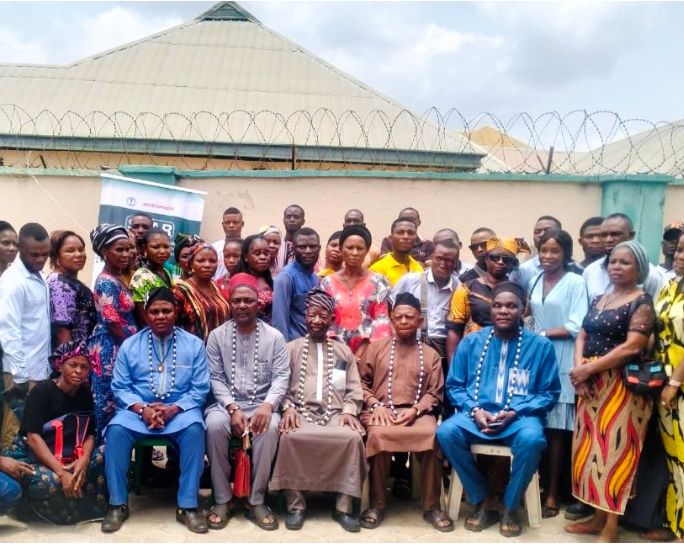
The News Agency of Nigeria (NAN) reports that the five days event which had several members of the society from across the country in attendance has the theme “Genetics as a panacea for emerging challenges in agriculture, environment and human health”.
According to him, the world was at a defining moment confronting food insecurity, climate change, biodiversity loss, environmental depredation, emerging infectious diseases, drugs that no longer work and unequal access to healthcare.
He said the problem is worse in Nigeria where farmers are facing declining productivity from erratic rainfall and prolonged droughts while communities battled deforestation, floods, desertification and dying ecosystem.
He however noted that advances following the Human Genome Project, next-generation sequencing, genomic selection, bioinformatics and artificial intelligence had fundamentally transformed understanding of life and offered scientists the capacity to not just read the genetic code but predict, interpret and modify it with precision, making genetic a strategic platform for national development.
Kwon-Ndung said it was on that premise that Nigeria must pursue a coordinated national strategy response built on investment, innovation , institutional strengthening and human capacity development to get the best from genetics.
He added that such a strategy should focus on building national genomics programmes that can solve problems in agriculture, environmental sustainability, and public health.
“Genetics provides one of the most effective pathways toward achieving that goal. There is a need to expand crop, livestock, fisheries, and forestry breeding programmes through the integration of genomic tools and modern biotechnology.
“Equally important is the conservation and characterization of indigenous genetic resources, many of which remain underutilized despite their enormous potential for addressing challenges associated with climate change, food security, and ecosystem resilience.
“The integration of genomics into healthcare systems should also be one a national priority. Strengthening genomic surveillance for infectious diseases, expanding genetic screening programmes and promoting precision medicine initiatives will improve disease prevention, diagnosis and treatment,” he said.
He then concluded that genes alone do not transform societies, people do, adding that success would be measured not by genomes sequenced or papers published but by whether farmers harvest more, children are born free from preventable genetic disorders, communities become more resilient, and degraded ecosystems are restored.
In her remarks, Prof. Sa’adatu Liman, Vice Chancellor of NSUK who declared the conference open, described the theme as timely and significant as all continents were facing food insecurity, environmental degradation, climate uncertainty and new diseases.
Liman represented by Prof Abdullahi Adamu, Dean of School of Post Graduate Studies in the university added that NSUK was proud to associate with the national agenda of using genetics to tackle agricultural, environmental and health challenges.
“As we share knowledge, ideas and experiences over the next few days, I encourage you to translate genetic discoveries into practical applications, foster collaborations in research and exchange of knowledge, and build partnerships and international cooperations that think critically about the role of genetics in shaping a better future,” she said.
Earlier in his welcome remarks, Prof. Samuel Olakojo, President of GSN welcomed participants to Keffi and thanked them for braving insecurity and economic challenges to attend the conference.
He used the opportunity to take stock of his four-year tenure, noting that membership grew from about 150 in 2022 to about 300, with a functional database, a renovated secretariat in Ibadan, Oyo state, resuscitation of a TETFund journal grant, and liberalised fellowship processes.
Also speaking, Prof Josiah Onovo, Chairman of the Local Organising Committee of the annual conference said the theme could not be over-emphasised in the face of unpredictable climate change and the need for food security.
He added that the conference provided a vital interdisciplinary platform for scholars, policymakers and technology experts to develop practical genetic solutions for national development. (NAN)