Daniel Atori & Mairo Mohammed Allawa
As part of efforts to drive policies that will improve the lives of women, children and other vulnerable Nigerians, the Federal Government and North Central states have intensified efforts to advance women’s economic empowerment, child protection and social inclusion.
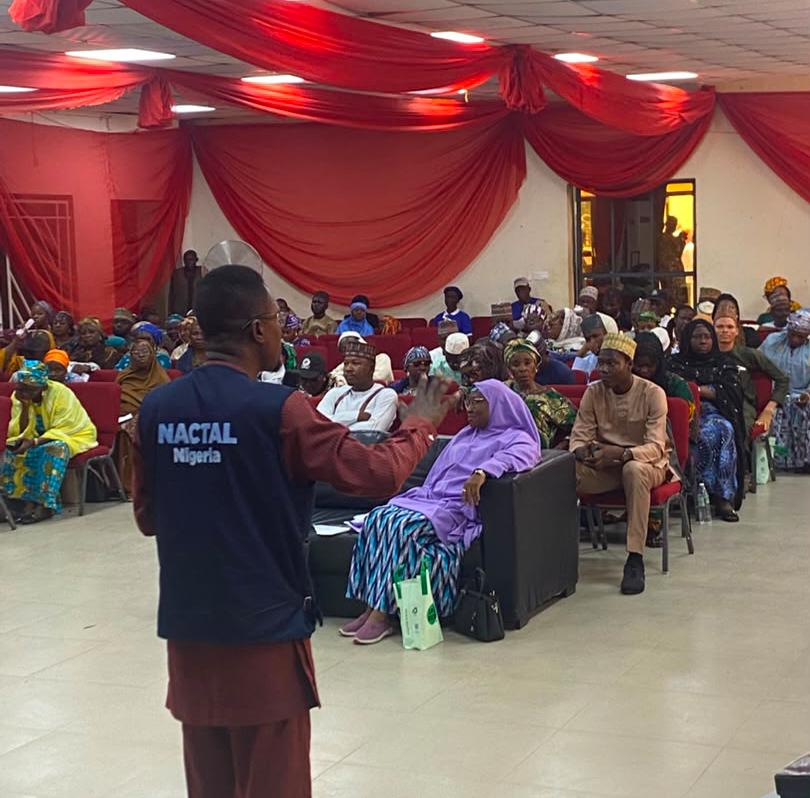
Speaking at the three-day workshop, Permanent Secretary of the Federal Ministry of Women Affairs, Esuabana Nko Asanye said the Ministry remained committed to its mandate in closing the gender gaps and expanding economic opportunities for women.
While unveiling fresh policy priorities in preparations for the 26th National Council on Women Affairs, the Minister represented by Principal Administrator, Chukwu Ifunanya Salome said the workshop would enable technical officers to review resolutions from the 25th National Council held in Edo State, assess implementation and develop memoranda that would shape deliberations at the forthcoming council.

According to Asanye, the Ministry’s mandate is critical to closing gender gaps, expanding economic opportunities for women and ensuring equal access to education and other social services for every Nigerian girl.
“I hereby urge participants to submit practical and innovative proposals on gender mainstreaming, women’s economic empowerment, child rights protection, reproductive health, social welfare and the inclusion of vulnerable groups.”
Earlier in her welcome address, Niger State Commissioner for Women Affairs and Social Development, Hadiza Idris Kuta, said stronger collaboration between the Federal Government and states had improved policy coordination and given states greater input into national decision-making.
She disclosed that Niger State is expanding women’s participation in agriculture through the Nigeria for Women Project while seeking to extend the programme to all 25 local government areas.
She stressed that women should be recognised as drivers of economic growth rather than mere beneficiaries of government interventions, especially in the North Central region, Nigeria’s major food-producing belt.
Accordingly, she said “we must move beyond policy documents and ensure implementation. It is only through actions that we can achieve measurable progress in the lives of women, children and vulnerable members of our society.”
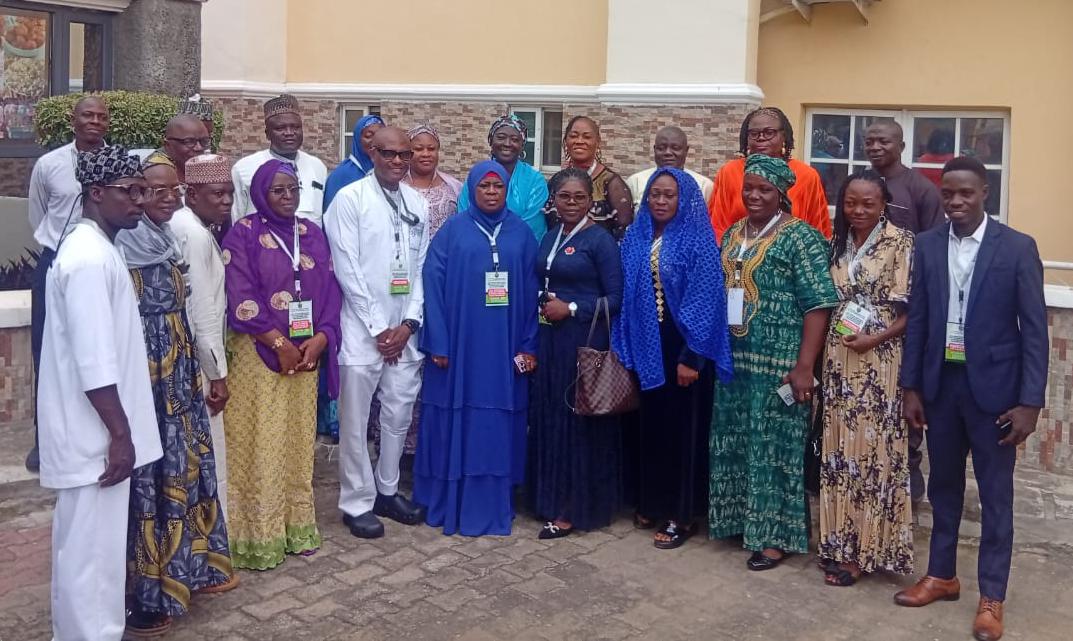
The workshop attracted Commissioners, Permanent Secretaries, Directors and technical experts.