By Oboh Linus
Unarguably, education remains a fundamental pillar for achieving sustainable development.
By providing children with critical thinking, literacy, and numeracy skills, educators establish a strong educational foundation that prepares them for a lifetime of learning.
The UN underscores this reality, describing education as an essential driver of development and urging governments to eliminate barriers preventing children from accessing quality basic education.
The organisation stated in a report that all barriers to education must be purged.
“We must remove all barriers to education. We must ensure, at a minimum, universal access to basic education for every child, everywhere,” it said.
Education analysts say sustained collaboration among government, parents and stakeholders is critical to boosting enrolment, improving supervision and ensuring a more effective learning environment across public schools.
In tandem with the aforementioned, the Nasarawa State Universal Basic Education Board (NSUBEB) is taking decisive steps to strengthen foundational learning through reforms aimed at improving teaching standards, infrastructure and school governance.
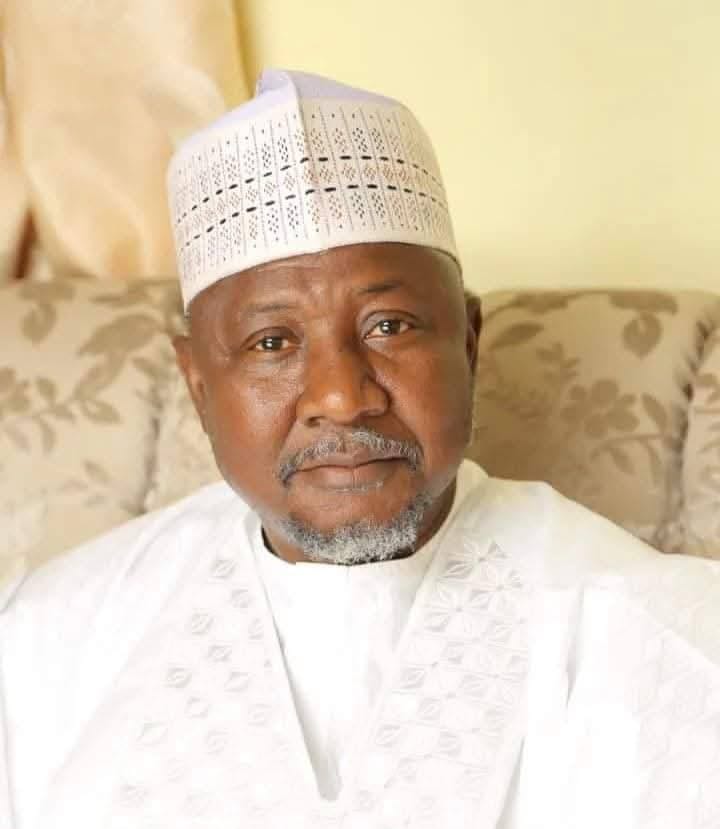
At the centre of these reforms is NSUBEB Chairman, Muhammad Kassim, who assumed office about one year ago and immediately initiated institutional reviews to reposition compulsory basic education in the state.
He constituted committees to inspect and evaluate school activities and inaugurated a high-level planning team that organised the state’s maiden education summit.
The summit brought together stakeholders from various spheres, traditional rulers, religious leaders and pastoralists to address challenges facing the sector.
Speaking at the summit, Kassim disclosed that internal reviews uncovered major irregularities, including the illegal posting of more than 4,000 qualified teachers to administrative offices.

He also disclosed that internal reviews uncovered promotions granted outside due process, and widespread truancy among teachers.
He cited cases of missing lesson plans, vandalisation of facilities, poor contract execution and declining learning outcomes, noting that many pupils in upper primary classes struggled with basic reading and writing.
To address these gaps, he said the board redeployed 1,900 teachers back to classrooms and revoked nine poorly executed contracts, saving the state more than N101 million.
“We discovered no fewer than 4,000 qualified teachers in offices. So far, 1,900 have already been redeployed, and soon another 1,000 will be redeployed,” he said.
Kassim disclosed that the governor had approved the recruitment of 1,000 additional teachers to address shortages, particularly in rural communities.
He disclosed that NSUBEB was lobbying for special allowances for rural teachers to motivate service in the hard-to-reach areas.
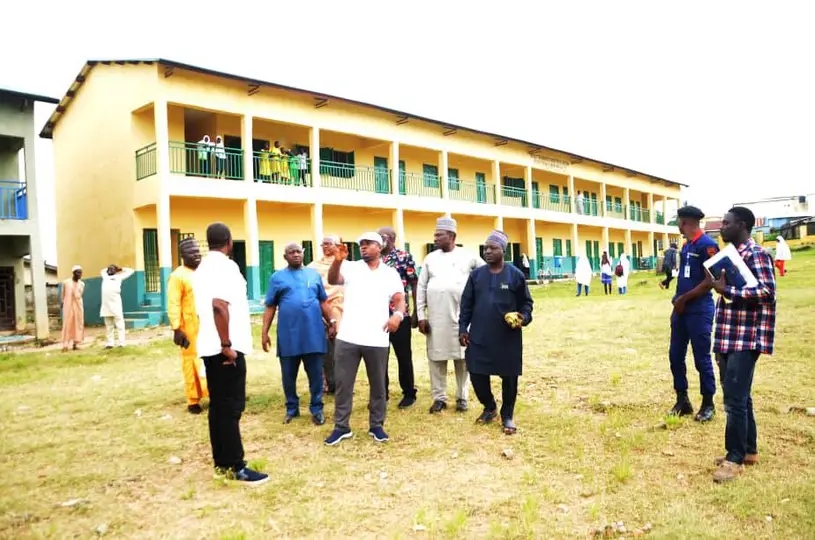
According to him, the NSUBEB has built blocks of classrooms and renovated several dilapidated classrooms, with more projects ongoing across 13 local government areas of the state.
Kassim said that the Board had so far procured a total of 30,000 tables and chairs and distributed them to public schools to enhance learning.
The chairman said that seven minibuses had been acquired to support a statewide back-to-school campaign in the state.
Kassim said that the board had partnered with the Nasarawa State Youth Empowerment Scheme (NAYES) to protect school facilities from vandalism.
He emphasised that the board was seeking approval to enforce provisions of the state’s Compulsory and Free Universal Basic Education Law to ensure parents comply with school attendance requirements for children aged four to 15.
Gov. Abdullahi Sule commended the reforms, pledging continued investment in the sector, which he described as central to the state’s long-term development.
He said education had consistently received the highest budgetary allocation since he assumed office in 2019.
The governor added that his administration had implemented long-overdue promotions for teachers and civil servants, recruited new teachers and constructed and renovated school facilities.
“I am ready to commit resources to the transformation of the education sector; even if that is the only legacy my administration would leave after leaving office in 2027.
“That is why the sector has continued to receive the highest budgetary allocation since I assumed office in 2019.
“We have implemented more than 10 years of outstanding promotions for secondary and primary school teachers, as well as other civil servants, and renovated and constructed structures in many schools across the state,” Sule said.
Sule also issued a formal letter of commendation to Kassim, praising his commitment, regular monitoring of projects and direct engagement with schools, which he said had strengthened teaching and motivated educators.
“I commend you for the outstanding performance you have continued to display since assuming office as Executive Chairman of NSUBEB.
“It is worthy of note that you have remained committed to realising the objectives of the board,” the letter read.
An educationist and broadcaster, Tonnie Iredia, who presented a paper at the summit, advocated reward systems for dedicated teachers, weekly school inspections and strict sanctions for misconduct, particularly diversion of school property.
Similarly, the State Chairman of the Nigeria Union of Teachers, Ishaka Mohammed-Isa, lauded the reforms, noting that they had restored discipline and renewed public confidence in primary education.
He urged teachers to support ongoing initiatives and called for the swift recruitment of 1,000 approved teachers to strengthen manpower in public schools.
Mohammed-Isa hailed Kassim’s courageous redeployment of teachers who were illegally posted to offices without taking cognisance of the shortage of teachers.
“Kassim and his team came ready to succeed in their assignment. The transformation in the basic education is visible for everybody to see; discipline and dedication have been restored.
“And to the teachers, let us move swiftly with this reform; let us support the government to succeed.
“Basic education is a foundation; if we don’t get the foundation right for our children, it will affect their learning,” he said.
Observers say the unfolding reforms demonstrate that with strong political will, accountability and stakeholder participation, basic education can be transformed into a solid foundation for sustainable development.
They hold that the Nasarawa model offers an effective framework for regions seeking to refit their public school systems and secure better academic performance for the future. (NAN)