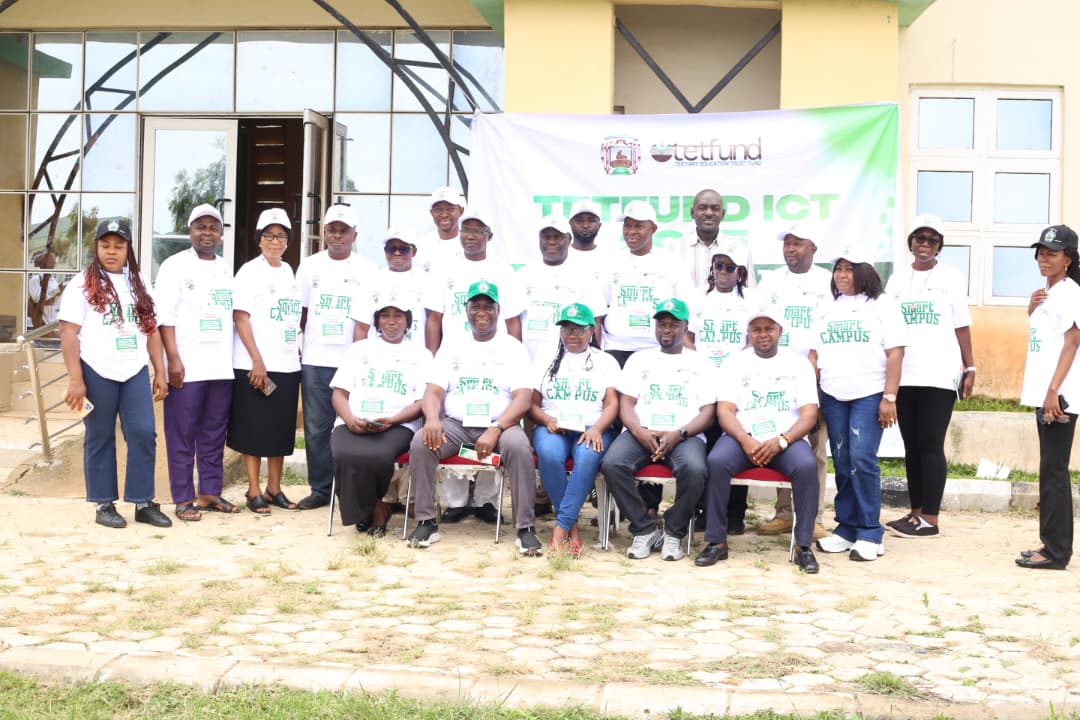
Plateau State University (PLASU), Bokkos, has commenced a one-week intensive training programme on the Tertiary Education Research and Applications Systems (TERAS) platform as part of efforts to transform the institution into a fully integrated Smart Campus.
The high-impact capacity-building workshop, funded by the Tertiary Education Trust Fund (TETFund), is aimed at accelerating digital transformation across the university through the deployment of advanced educational technologies, artificial intelligence (AI), and smart infrastructure.
The training, which began at the university’s ICT Directorate, opened with a specialised session for management staff, deans, and directors, focusing on the configuration, deployment, and customisation of core digital modules.
Declaring the programme open, the Vice-Chancellor of PLASU, Professor Shedrack Gaya Best, urged university administrators to take the lead in embracing digital innovation. Represented by the Deputy Vice-Chancellor (Administration), Professor Keziah Ayuba, the Vice-Chancellor emphasized the need for continuous learning and adaptation in academia.
“As academics and administrators, upscaling our skills and constantly learning is not just a routine; it is our norm. Therefore, we must listen attentively and fully embrace this training to bridge the gap between traditional teaching methods and global best practices,” he said.
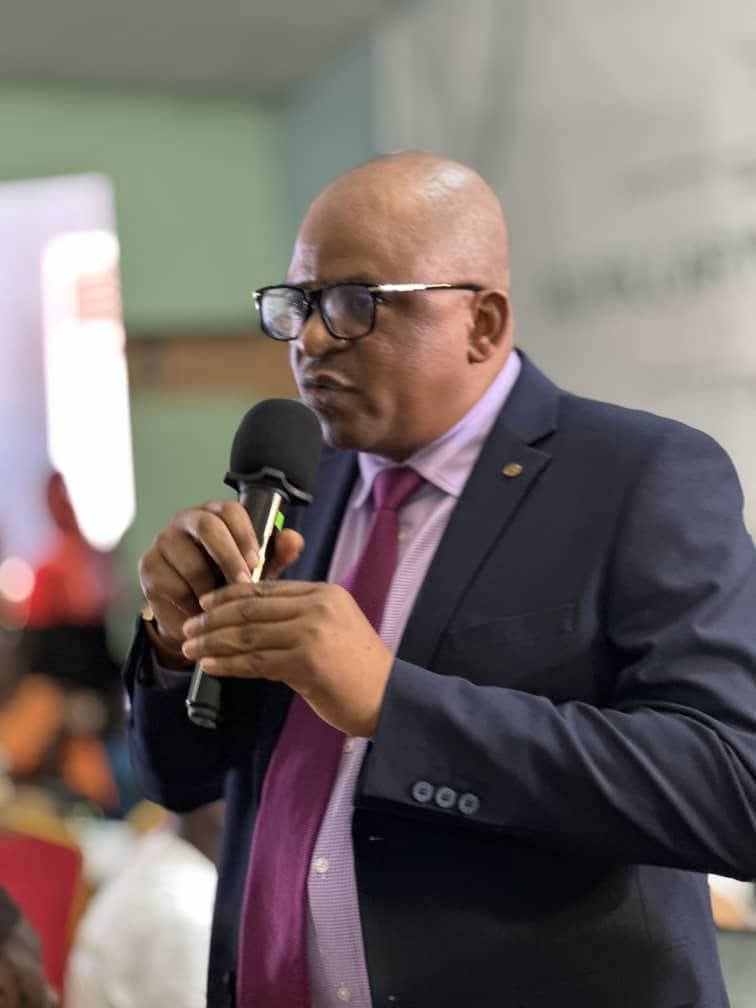
Speaking to journalists, the Director of ICT, Mr. Sati Dapel, described the training as a strategic step towards onboarding management, academic staff, and students onto federal government-backed digital platforms designed to enhance teaching, learning, and research.
According to Dapel, the university is deploying globally recognised Learning Management Systems (LMS), including Blackboard and Moodle, through TETFund support. He disclosed that PLASU is also introducing an AI-powered innovation known as “Distinction” to simplify course development and delivery.
“With the Distinction AI integration, a lecturer can simply log into the platform, enter a course code, title, and learning objectives. The system will automatically generate comprehensive course content, including images, instructional videos, course outlines, lecture schedules, and student assessments,” he explained.
He noted that the innovation would make teaching more interactive, efficient, and globally competitive.
Beyond digital learning platforms, Dapel revealed that the university is implementing extensive smart-campus infrastructure projects under the leadership of Professor Best.
The projects include the installation of high-speed fibre-optic cables connecting every building on campus, deployment of new servers to facilitate free voice and video communication within the university community, and the construction of a state-of-the-art Smart Hall equipped with interactive boards, synchronised microphones, and advanced audio systems.
He added that specialised software being deployed would create a real-time academic link between PLASU and international universities, enabling guest lecturers from across the world to engage students virtually from any location.
The training programme is scheduled to progress in phases, beginning with management staff, deans, and directors, followed by heads of departments, lecturers, and eventually students.
Dapel commended the university management for its commitment to technological advancement, particularly the support of the Vice-Chancellor.
“We want to specially thank the university management, particularly Professor Shedrack Best, for his visionary leadership and unwavering support. He has the ICT Directorate with the administrative backing necessary to achieve these technological milestones,” he said.
With the ongoing digital transformation, Plateau State University is positioning itself as a leading institution in technology-driven education, equipping students with the digital skills and learning environment required to thrive in an increasingly technology-driven global economy.