By Emmanuel Antswen
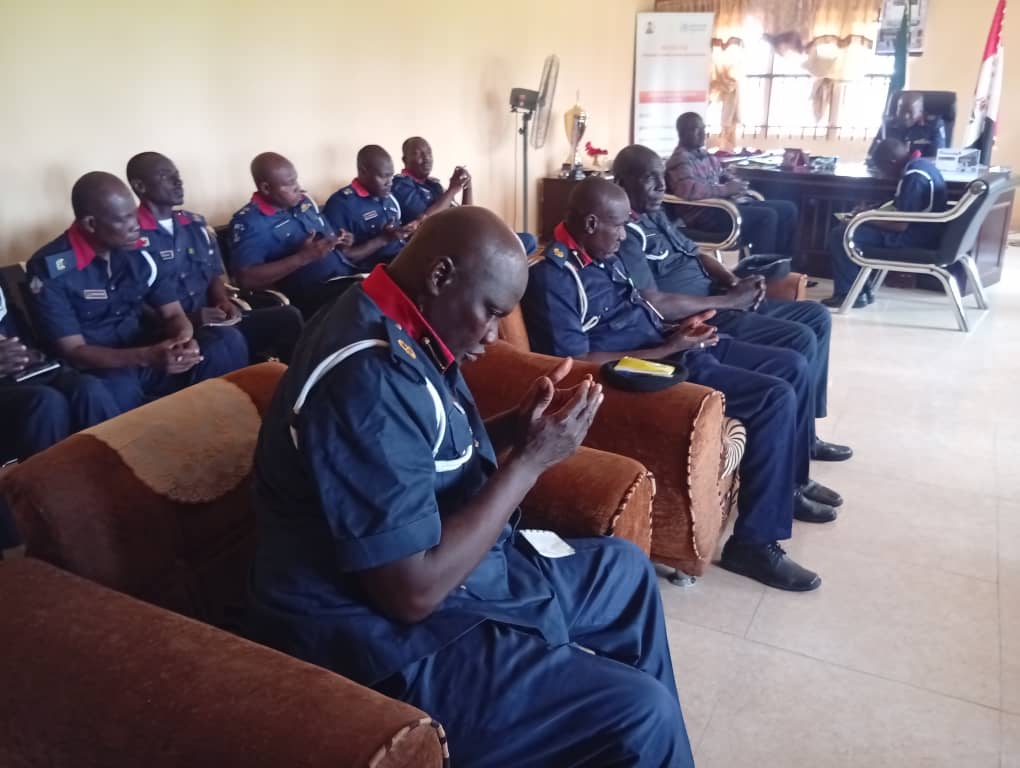
The Benue Government has organised a one-day training for members of the State Action Plan Implementation Committee (SAPIC) on Women, Peace and Security (WPS) to strengthen coordination and ensure effective implementation of the state’s action plan.
The training, organised in collaboration with the Elohim Development Foundation, was aimed at clarifying members’ responsibilities, promoting inter-agency collaboration and strengthening reporting mechanisms.
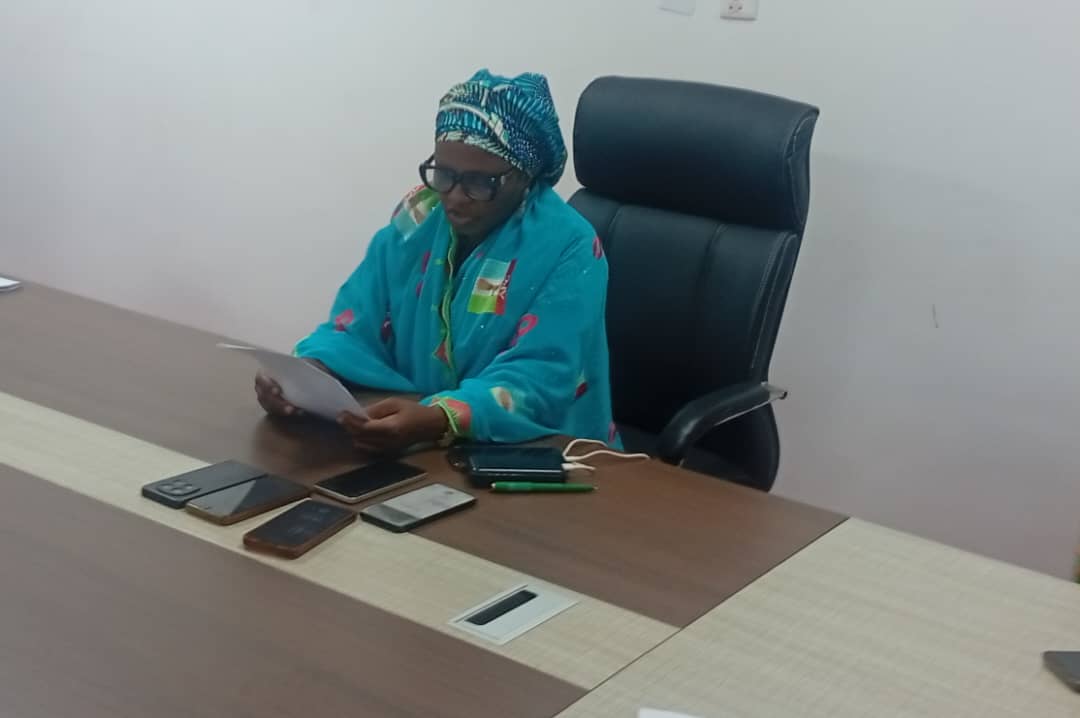
The Commissioner for Women Affairs and Social Welfare, Mrs Theresa Ikwue, said the training was the first follow-up activity after the inauguration of the committee at Government House.
Ikwue, represented by Mrs Mimi Tion, Director of Women Affairs and Social Welfare, said the training was designed to familiarise Ministries, Departments and Agencies (MDAs), Civil Society Organisations (CSOs) and other stakeholders with their terms of reference and responsibilities.
The commissioner said the initiative would also promote women’s participation in leadership, mediation and peacebuilding across the state.
She said the Ministry of Women Affairs and Social Welfare, which housed the State Action Plan, would ensure effective coordination, provide necessary materials and develop reporting templates to monitor implementation.
According to her, a communication platform has also been created to facilitate information sharing, reporting and prompt responses to emerging issues.
She expressed optimism that the action plan would help women recognise their capacities and assume leadership responsibilities rather than remain confined to supporting roles.
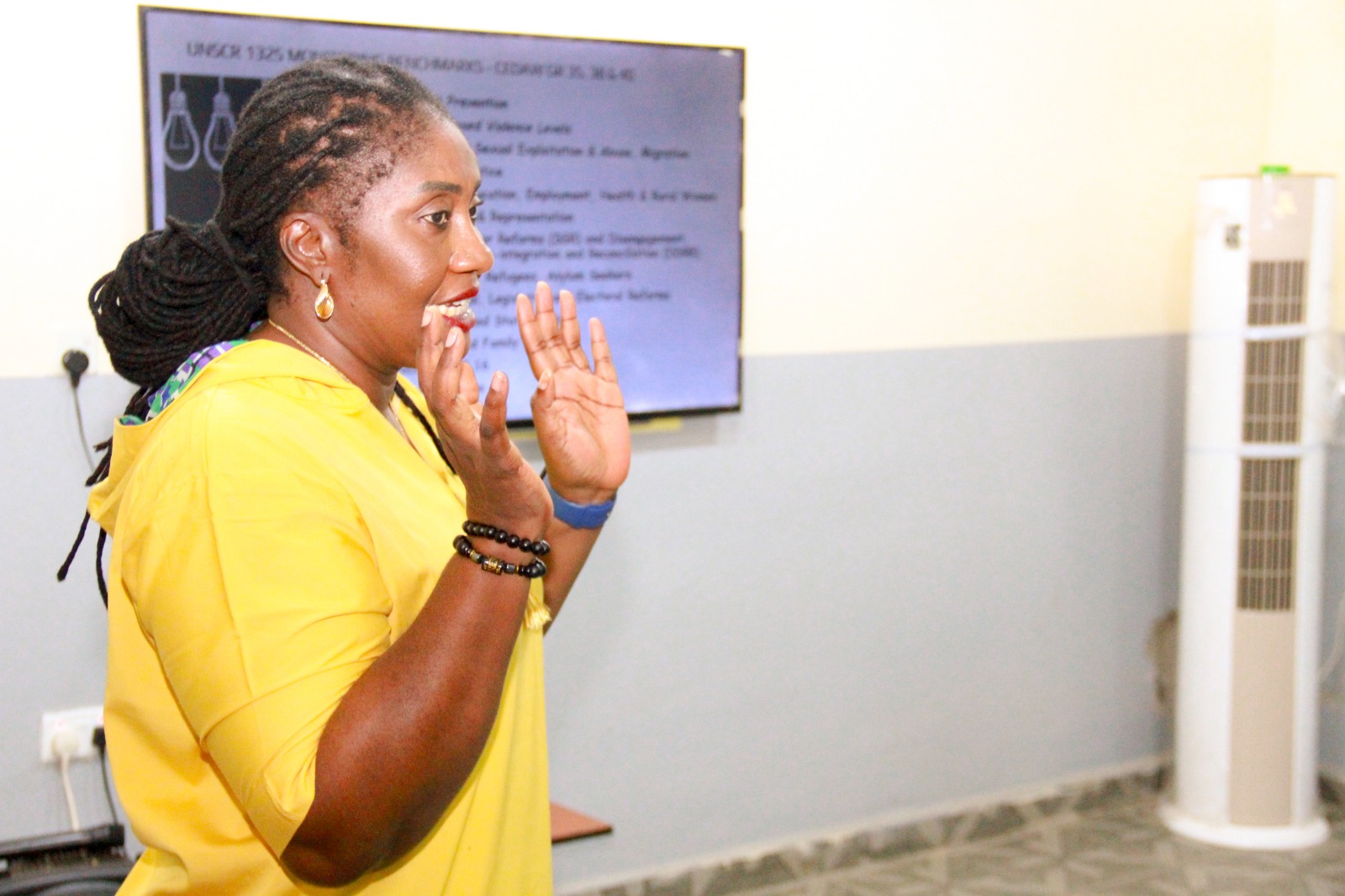
Earlier, Dr Victoria Daaor, Executive Director, Elohim Development Foundation, said the training was organised to equip committee members with the knowledge and skills required to implement the state’s Women, Peace and Security action plan.
Daaor said participants were given opportunities to clarify their roles, ask questions and develop a work plan for the first quarter of implementation.
She identified proper documentation of activities, outputs and beneficiaries as one of the major priorities of the initiative.
According to her, systematic documentation would make it possible to assess achievements and measure the impact of the five-year action plan.
She said the initiative would help address challenges affecting women by ensuring that interventions were effectively implemented, monitored and documented.
Also speaking, Mr Henry Akya, State Coordinator, Strengthening Peace and Resilience in Nigeria (SPRiNG) Programme, said the action plan was anchored on the United Nations Security Council Resolution on Women, Peace and Security.
Akya said the objective was to translate the global framework into practical actions at state and local government levels.
He urged committee members to disseminate the knowledge acquired to their respective MDAs, local governments and CSOs.
He said successful implementation of the action plan required collective commitment, effective coordination and regular reporting by all participating institutions.
Akya also stressed the need for MDAs and CSOs to maintain official records of their activities and outcomes to ensure continuity, particularly when personnel were transferred or reassigned.
In her remarks, Mrs Dooshima Shaku, Chairperson of the Wives of Association of Local Government of Nigeria (WALGON), said grassroots leaders faced challenges in getting vulnerable women and girls to speak openly about abuses due to fear of intimidation and threats.
Shaku said local government officials were making efforts to support vulnerable persons but required stronger collaboration and sustainable interventions to address their challenges.
She pledged to take the message of Women, Peace and Security to other women leaders and local government chairpersons to promote wider awareness and participation.
She also expressed commitment to engaging relevant local government authorities to support the implementation of the action plan. (NAN)