By Johnson Aondona
Dr Thomas Ohobu, Coordinator, Vitamin D Counselling and Testing Project in Nasarawa State, has called on trainees of the Vitamin D Advocates to take awareness, counselling and testing services to communities across the state.
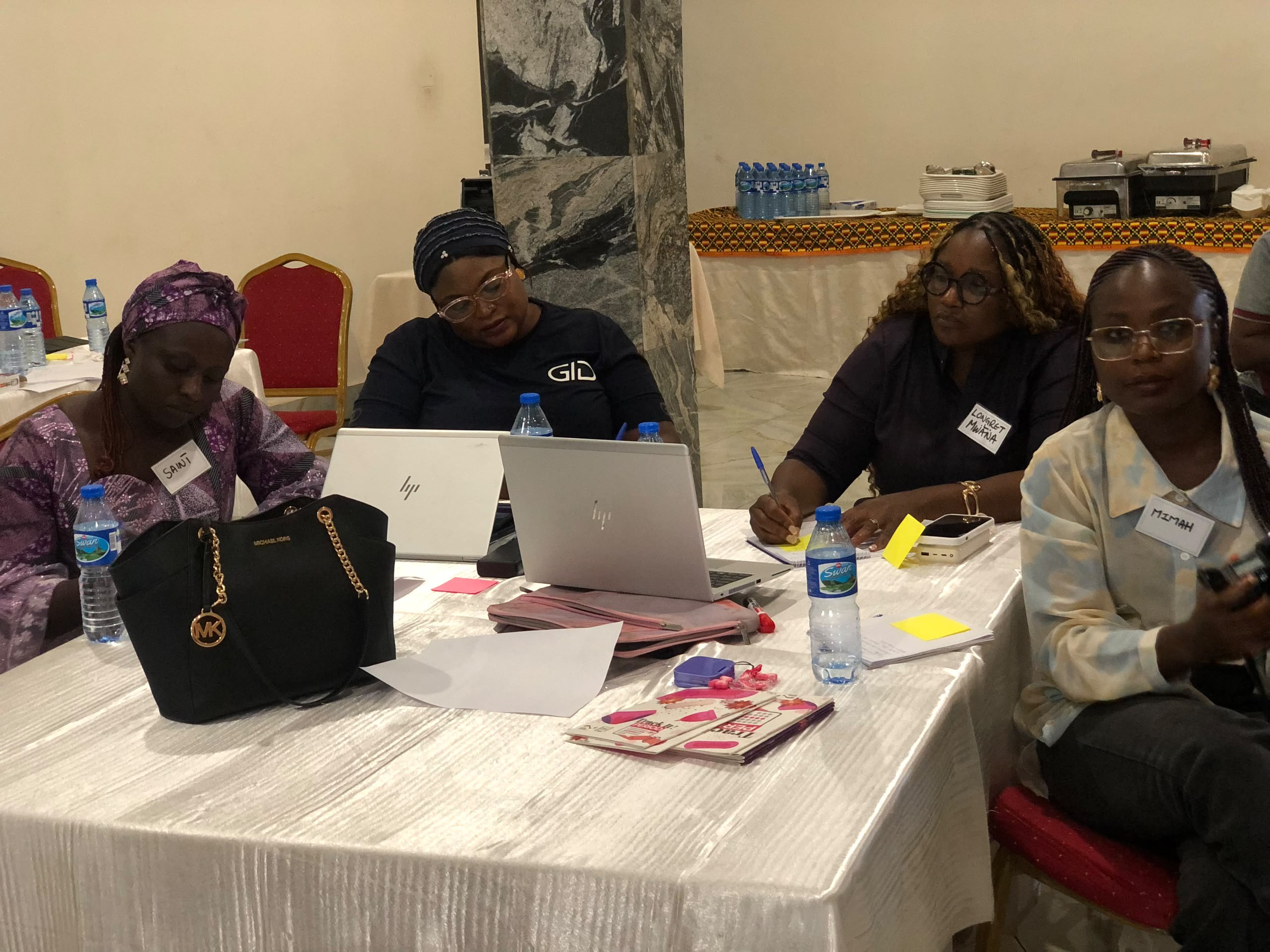
Ohobu made the call on Saturday during a Vitamin D advocacy training held in Lafia, where health workers and participants from different backgrounds were equipped with knowledge and skills to promote Vitamin D awareness.
The coordinator said that the training was designed to build the capacity of participants to serve as vitamin D advocates and champions in their communities, stressing the need to take vitamin D education beyond health facilities.
According to him, the advocates would educate members of the public, families, religious leaders and community leaders on the importance of vitamin D and the health challenges associated with its deficiency.
Ohobu, who is also a social and behaviour change and project management professional, was among the resource persons who delivered lectures during the training.
The coordinator explained that vitamin D plays important roles in the human body, including the functioning of numerous genes, noting that knowledge about the vitamin continues to expand.
He said there was still much to learn about vitamin D, even among health professionals, and called for increased public awareness as deficiency continues to attract health concerns.
Ohobu noted that factors including nutrition, lifestyle and skin type could influence vitamin D status, while deficiency could be associated with fatigue, muscle and bone weakness, joint problems and other complications.
He therefore encouraged members of the public to understand the importance of vitamin D, get tested where necessary and seek professional counselling instead of relying solely on symptoms or self-medication.
The coordinator said the initiative would target as many people as possible, particularly younger people and communities where awareness about vitamin D remains low.
He disclosed that Chelsea Hospital, Shabu, Lafia, had been selected as the pilot counselling and testing centre in Nasarawa State.
Ohobu expressed optimism that the trained advocates would help expand the reach of Vitamin D education and encourage more people to seek information, counselling and testing.
“Our responsibility is to take Vitamin D education beyond the health facilities and into our communities so that people can understand its importance, know their status and make informed decisions about their health,” Dr Ohobu said.
Also speaking at the training was the Chief Executive Officer of Ave Health Sense, Dr Terfa Kene, who featured as a guest speaker and highlighted several health conditions and factors that could be associated with vitamin D deficiency.
Kene mentioned hypertension, joint and muscle pains, erectile dysfunction, infertility, diabetes and unexplained back pain among health concerns that could be linked to vitamin D deficiency.
He encouraged participants to promote awareness and ensure that members of the public were properly guided through pre-counselling, testing and post-counselling as part of efforts to help people know their vitamin D status.
The Ave Health Sense chief executive also encouraged regular exposure to sunlight and consumption of nutritious foods as part of healthy practices that could support vitamin D status.
He specifically mentioned jute leaves, okra and millet among foods containing calcium and other nutrients, stressing that proper nutrition combined with appropriate exposure to sunlight could contribute to better vitamin D health.
Kene disclosed that the Vitamin D counselling and testing pilot project currently covers the Federal Capital Territory, Benue, Kaduna and Nasarawa states in the North, with plans to expand the initiative to 20 states.
He described the project as a public health intervention designed to improve awareness and access to vitamin D counselling and testing.
“Public health in action is our goal,” Dr. Kene said, adding that the organisation was willing to support private hospitals that perform exceptionally well under the project.
Kene stated that hospitals that do well under the project will have solar lights installed at their hospitals.
He further explained that the cost of the solar lights would be paid in instalments, little by little, so that beneficiaries would hardly feel the financial burden, making it seem almost as though the lights had been provided free of charge.
A medical practitioner with the Federal University of Lafia Teaching Hospital and participant at the training, Dr Musa Abdullahi, also called for increased awareness about vitamin D deficiency.
Abdullahi observed that modern lifestyles had increasingly reduced people’s exposure to sunlight, particularly among those who spend most of their time indoors, in offices, vehicles and air-conditioned environments.
“People go out in cars with air conditioning and go to their offices, which also have air conditioning; they have forgotten they have sunlight. Vitamin D is really relevant,” he said.
He explained that the training had equipped participants with knowledge to create awareness, encourage healthy lifestyle changes and promote vitamin D testing.

Abdullahi particularly mentioned erectile dysfunction as one of the health concerns that could be associated with vitamin D deficiency, noting that the condition was often not openly discussed.
He advised individuals with possible symptoms or health concerns to seek appropriate medical advice and determine their vitamin D status through testing rather than relying solely on symptoms.
According to him, once deficiency is established, appropriate measures could include lifestyle modification, dietary changes and, where medically indicated, supplementation under professional guidance.
Abdullahi said Nasarawa State’s participation in the pilot project presented an opportunity to improve access to vitamin D information and testing.
He urged the trained advocates to use the knowledge acquired during the programme to reach more people, promote healthy lifestyles and encourage appropriate vitamin D testing and counselling.
The training also featured a practical “sun break” session, during which participants went outdoors for about five minutes to expose themselves to sunlight while engaging in simple movements involving their hands, legs and waist.
The programme also included lunch, group photography and other interactive activities aimed at reinforcing the lessons delivered during the training.
The training commenced on Saturday and will continue every Saturday for four weeks as participants build their capacity to promote vitamin D awareness, counselling and testing.
The initiative is expected to strengthen community-level Vitamin D advocacy in Nasarawa State and contribute to the broader expansion of Vitamin D awareness, counselling and testing across the country.