… Blames low screening, treatment on breach of confidentiality
By Daniel Atori
Following the prevalence rate of 0.7% of persons currently living with HIV/AIDS in the state, a non governmental organisation (NGO) under the auspices of Civil Society on Malaria Control, Immunization and Nutrition (ACOMIN) has called on the Niger state government to address barriers to AIDS/HIV, Tuberculosis (TB) and Malaria services.
This was as the ACOMIN blamed the poor turnout on HIV/AIDS screening and treatment on the breach of confidentiality on the part of healthcare workers in the state.
The NGO also disclosed that the emergence of drug resistant tuberculosis (TB) treatment interruption has been seen in HIV and malaria care with many patients lost to follow-up.
It should be recalled that the Permanent Secretary Niger State Ministry of Health, Dr. Abdullahi Imam had during the last World AIDS Day disclosed that 34,969 people with prevalence rate of 0.7% are currently living with HIV/AIDS in the state.
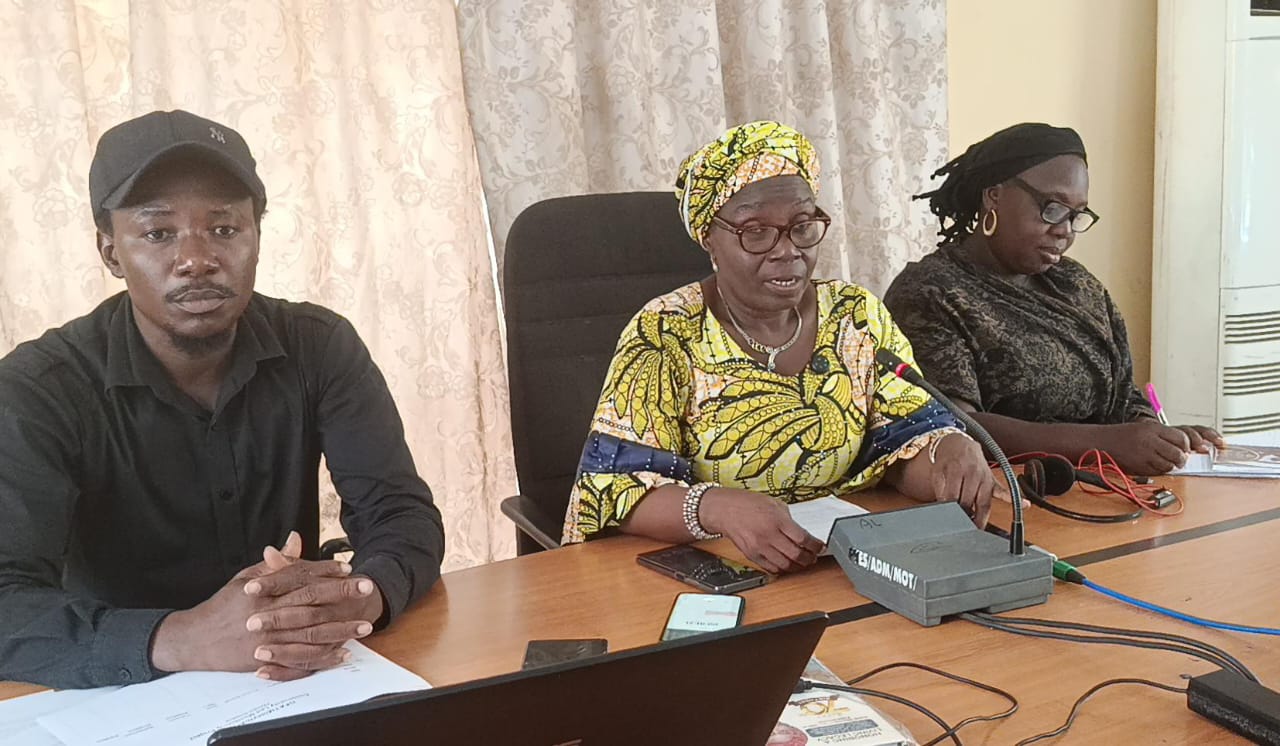
In his address to Journalists at the Strengthening Aids/HIV, Tuberculosis and Malaria (ATM) Continuum of Care in Communities: A call for collective Action and Accountability, the State Coordinator, ACOMIN, Mr. Olasukanmi Kalejaiye added that most health facilities experience shortages of malaria, HIV and TB test kits and medications.
Speaking on the Global Fund community Led Monitoring Project being implemented by the ACOMIN, Kalejaiye who was represented by his deputy, Mrs. Hassana Kpetu said the need for a strengthened ATM service has become increasingly important as populations affected by one disease are often vulnerable to others amidst the dwindling donor funding.

According to him “we are calling on the government to address barriers to AIDS/HIV, TB and Malaria services by strengthening referral systems, ensure uninterrupted access to essential medications, diagnostics and expand community based screening services to close the gaps in the continuum of core AIDS/HIV, TB and Malaria.
“After our visits to facilities our CBOs work, we realized that the poor turnout on HIV/AIDS screening and treatment is as a result of the breach of confidentiality on the part of healthcare workers in Niger state.
“In many communities, these barriers often result in delayed diagnosis, poor treatment adherence, interrupted care and poor health outcomes, particularly among vulnerable populations undermining efforts to eliminate HIV/AIDS, TB and Malaria as public health threats”.
The Program Manager, State Malaria Elimination Programme (SMEP), Niger state Ministry of Health, Mrs. Amina Zimro Edward cautioned health workers and program officers of various community based organisations (CBOs) on the confidentiality of HIV patients when they visit facilities.
According to her “we discovered that most clients do not attend screening or go for their routine drugs because of breach of confidentiality”.