By Aloysius Umalo, Makurdi
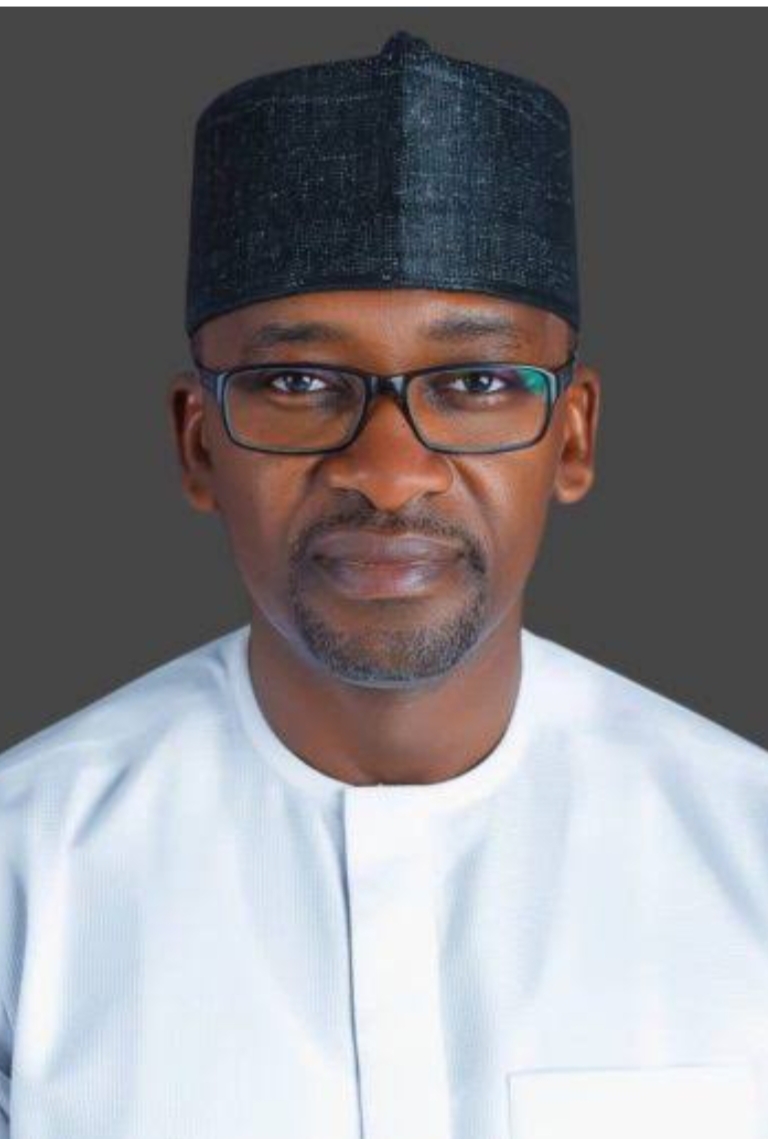
A former Governorship aspirant in Benue State, Dr. Jeffrey Kuraun, has raised concerns over what he described as decades of governance failures, political exclusion, economic stagnation, and weakening internal democracy in the state.
Addressing journalists, party stakeholders, youths, women groups, and members of the All Progressives Congress (APC), Kuraun said Benue was at a “critical historical crossroads” that requires urgent transformational leadership and institutional reforms.
He recalled that since the creation of Benue State in 1976, the state had been blessed with fertile land, strategic economic potential, and human capital capable of making it Nigeria’s leading agro-industrial hub.
According to him, successive administrations failed to convert the state’s agricultural strength into industrial and economic prosperity.
Kuraun traced the state’s governance trajectory from the military era to the present administration, noting that while different governments recorded varying levels of achievements, structural economic transformation had remained largely absent.
He acknowledged that the administration of former governor and current Secretary to the Government of the Federation, Senator George Akume, brought political stability and improved civil service operations after the return to democracy in 1999.
However, he noted that the economy remained heavily dependent on federal allocations with little industrial growth.
Speaking on the administration of former governor Gabriel Suswam, Kuraun said the era witnessed infrastructural expansion and urban renewal projects, but was also associated with rising debt levels and concerns over fiscal management and accountability.
He further stated that the administration of former governor Samuel Ortom was largely overshadowed by worsening insecurity, particularly attacks on farming communities across several local government areas including Guma, Logo, Agatu, Katsina-Ala, Ukum, and Kwande.
According to him, the persistent violence disrupted agricultural production and displaced thousands of residents.
On the current administration of Governor Hyacinth Alia, Kuraun said many residents initially expected a new era of institutional discipline and governance reforms.
However, he expressed concern over what he described as growing political exclusion and tension within the ruling APC.
According to him, several party stakeholders and influential members now feel alienated from governance and decision-making processes, a situation he warned could threaten party unity and democratic stability in the state.
Kuraun alleged that the APC primary elections for the National Assembly had been marred by irregularities, including claims of pre-filled result sheets and failure of electoral materials to reach designated voting centres in some areas.
He warned that the credibility of the party and future stability of governance in Benue could be undermined if internal democracy was not protected.
The former aspirant also questioned the state’s fiscal management, noting that despite increased federal allocations following subsidy reforms under President Bola Tinubu’s administration, development outcomes had remained weak.
He cited official estimates indicating that Benue’s domestic debt profile stood at about ₦141 billion as of 2022, while annual FAAC inflows were now estimated at over ₦430 billion.
He further noted that internally generated revenue was estimated between ₦1 billion and ₦2 billion monthly.
According to him, recurring expenditure, unresolved pension liabilities, poor healthcare facilities, youth unemployment, and weak industrial activity continue to reflect the socio-economic challenges facing the state.
Kuraun lamented the collapse or decline of state-owned institutions and industries such as Taraku Mills, Benue Burnt Bricks, Benue Brewery, and sports clubs including BCC Lions, Lobi Stars, Gboko Giants, and Benue Braves.
He therefore called on the national leadership of the APC to ensure that the forthcoming governorship primaries are conducted in a transparent, peaceful, and credible manner capable of restoring confidence among party members.
Kuraun maintained that Benue requires visionary leadership focused on industrialising agriculture, improving security, creating jobs, strengthening institutions, and promoting inclusive governance.
He stressed that the future of the state depends on competent leadership, unity, and a commitment to democratic principles capable of transforming Benue into a productive and economically viable state.