By Suzan Edeh, Bauchi

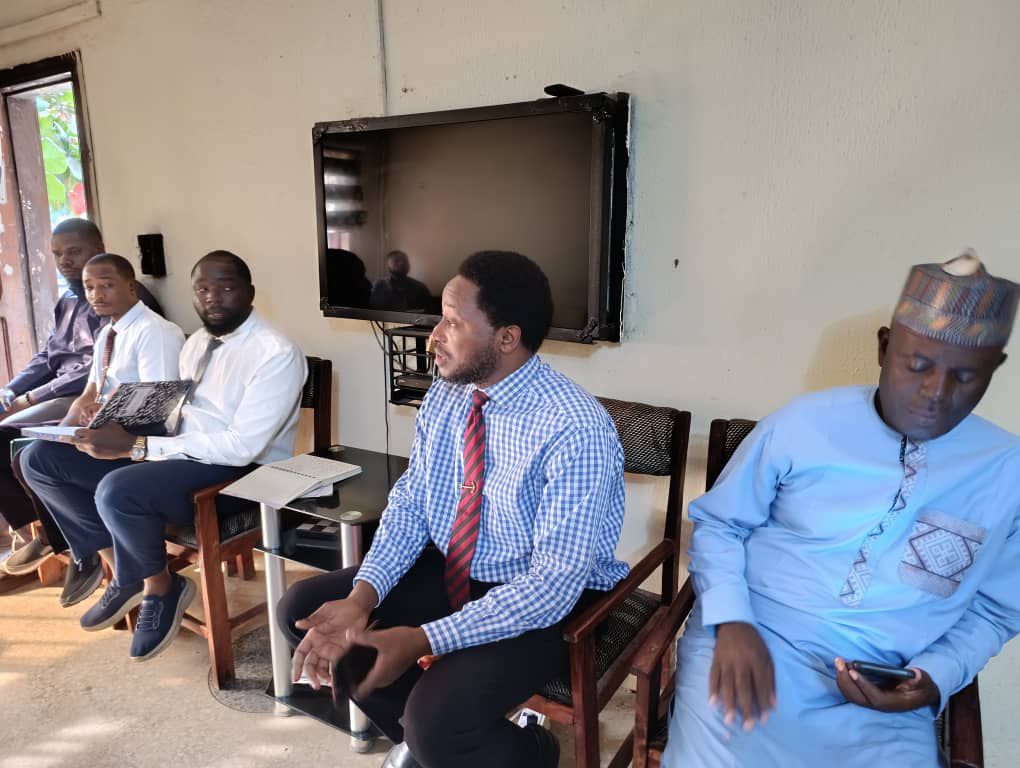
WaterAid Nigeria with funding from Sanitation and Hygiene Fund (SHF) and Global Affairs Canada(GAC) has conducted a joint safeguarding training for communities and it’s partners in Bauchi State on Safeguarding and Programme risk assessment as part of efforts to promote accountability for the safety and well-being of the communities and individuals they serve.
Our correspondent reports that the aim of the three day joint training was to train implementing partners in the Local governments and recruit safeguarding champions who are part of a broader strategy to improve WASH services and behaviors across Bauchi State, focusing on community participation and institutional change through capacity strengthening and targeted interventions.
Speaking in a welcome address, the WaterAid State Team Lead, Mr Mashat Mallo stated that Safeguarding is central in WaterAid as it is working with partners, particularly in the communities to ensure that it does not cause harm to the people of the community while doing it’s work.
“We are not just training people to fulfill all righteousness, we are doing this, so that it will improve the way we do our work and improve the way we engage with people, especially when you go into the most rural and remote communities”
“You have a responsibility to treat people with respect because the fact that they don’t have access to clean water does not mean that they are less of humanbeings, they are humanbeings like the rest of us, but you are just privileged to sit where you are and they are where they are.So you must treat people with respect in the course of doing your work and don’t infringe on the rights of the people” he said.
Speaking during the training session, the Programme Manager, Sanitation Hygiene Fund(SFH) WaterAid, Victoria Alli stated that Safeguarding includes the protection of children and vulnerable adults from forms of harassment, exploitation and abuse, adding that it does not include concern around safety and security, fraud or general grievances and discipline which are covered by separate WaterAid policies and procedures.
She said that Safeguarding examples Include sexual abuse,exploitation, verbal abuse and bullying, physical assaults and financial abuse, stressing that Safeguarding is Important so as to treat everyone with dignity and respect, create an environmental of mutual trust, fulfil responsibilities towards the community and protect the name of the organisation.
According to her, WaterAid’s self-advisory on Safeguarding is rooted in a global safeguarding policy and framework that emphasizes a “do no harm” principle and zero tolerance for abuse, pointing out that they maintain a survivor-centered response, ensure robust reporting mechanisms through channels like email, phone, and an independent whistleblowing service (Safecall).
Also, during her presentation, Patience Emmanuel, the Programme Manager at WaterAid (GAC), stated that Safeguarding champions are guardians of dignity, ensuring that no one is left behind in accessing safe WASH services, adding that their roles and responsibilities include raising awareness,ensure community voices in planning, build capacity of others, link issues to Safeguarding focal persons and model respectful behaviour.
She said that Safeguarding measures like complaint mechanisms, awareness campaigns and staff code of conduct help prevent abuse and give communities safeways to report concerns if risk arises, adding that Safeguarding identify ways WASH services more inclusive, accountable and respectful of dignity.
Also, the WaterAid Support Assistant,Joy Owoicho said that the principles of Safeguarding reporting include confidentiality, safety, do no harm, accountability, transparency and survival centred, adding that everyone has a role in protecting vulnerable groups.